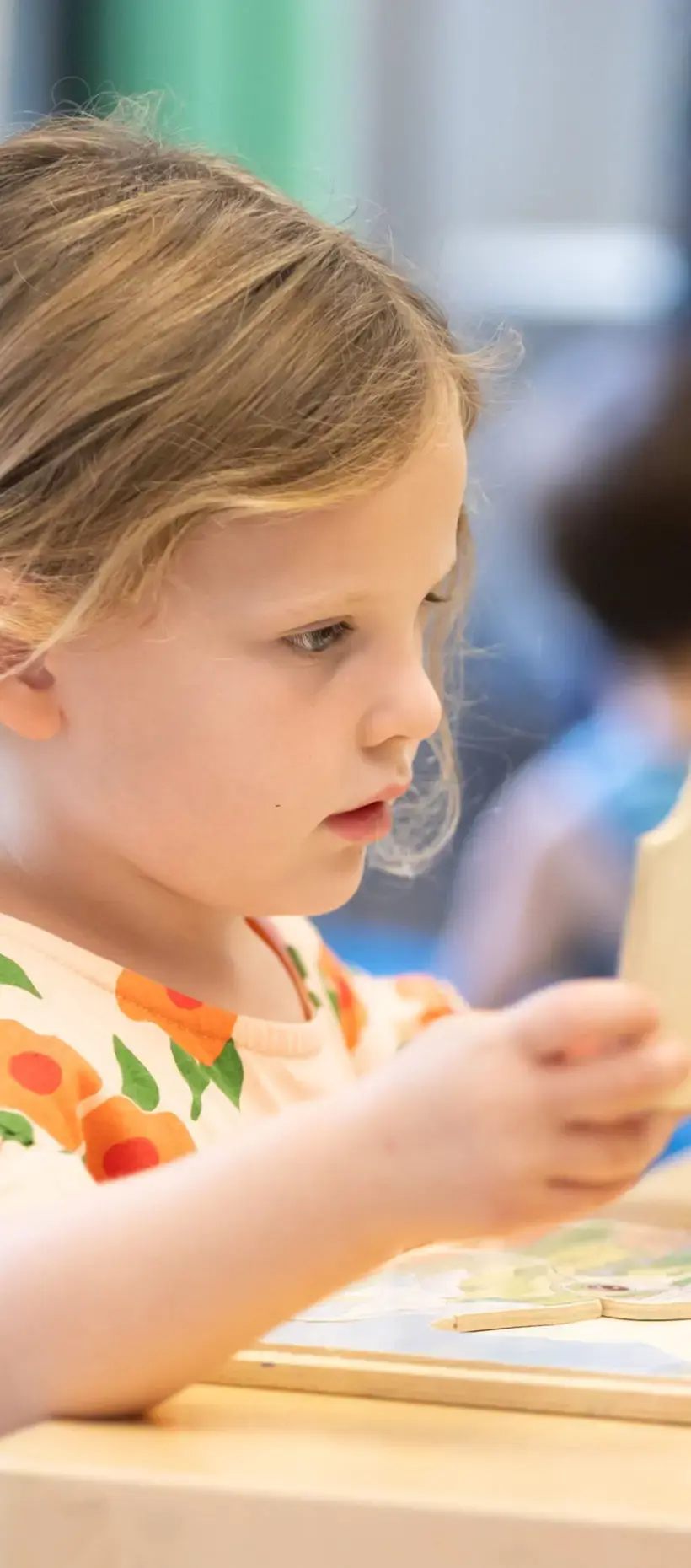
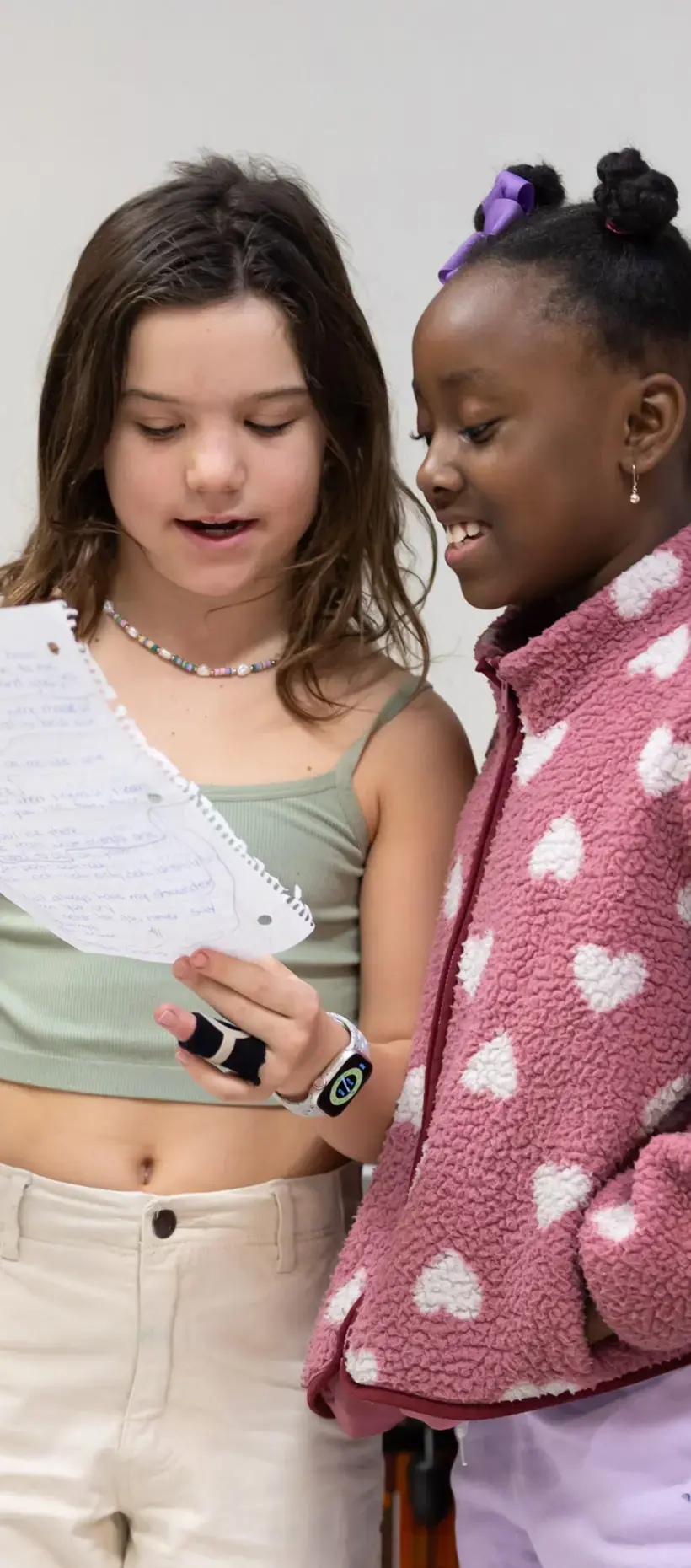
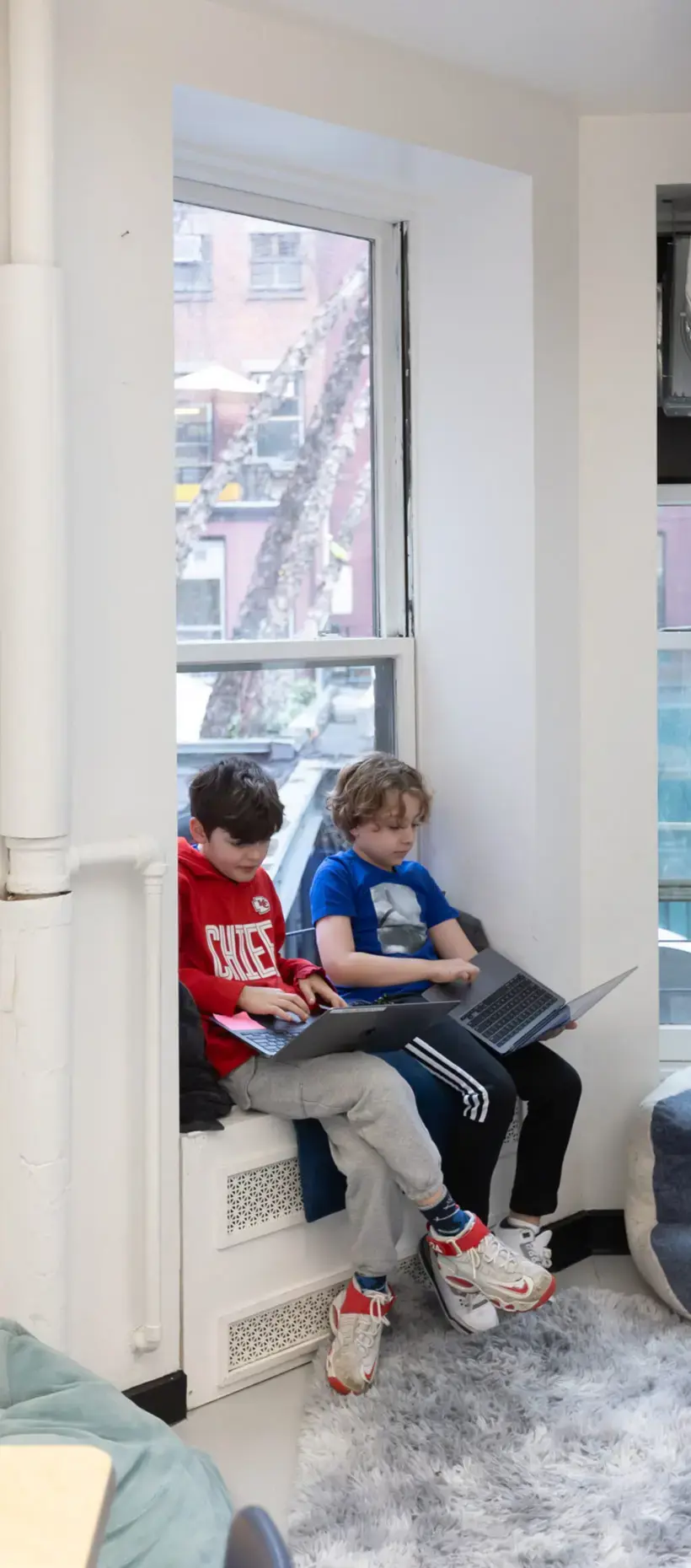

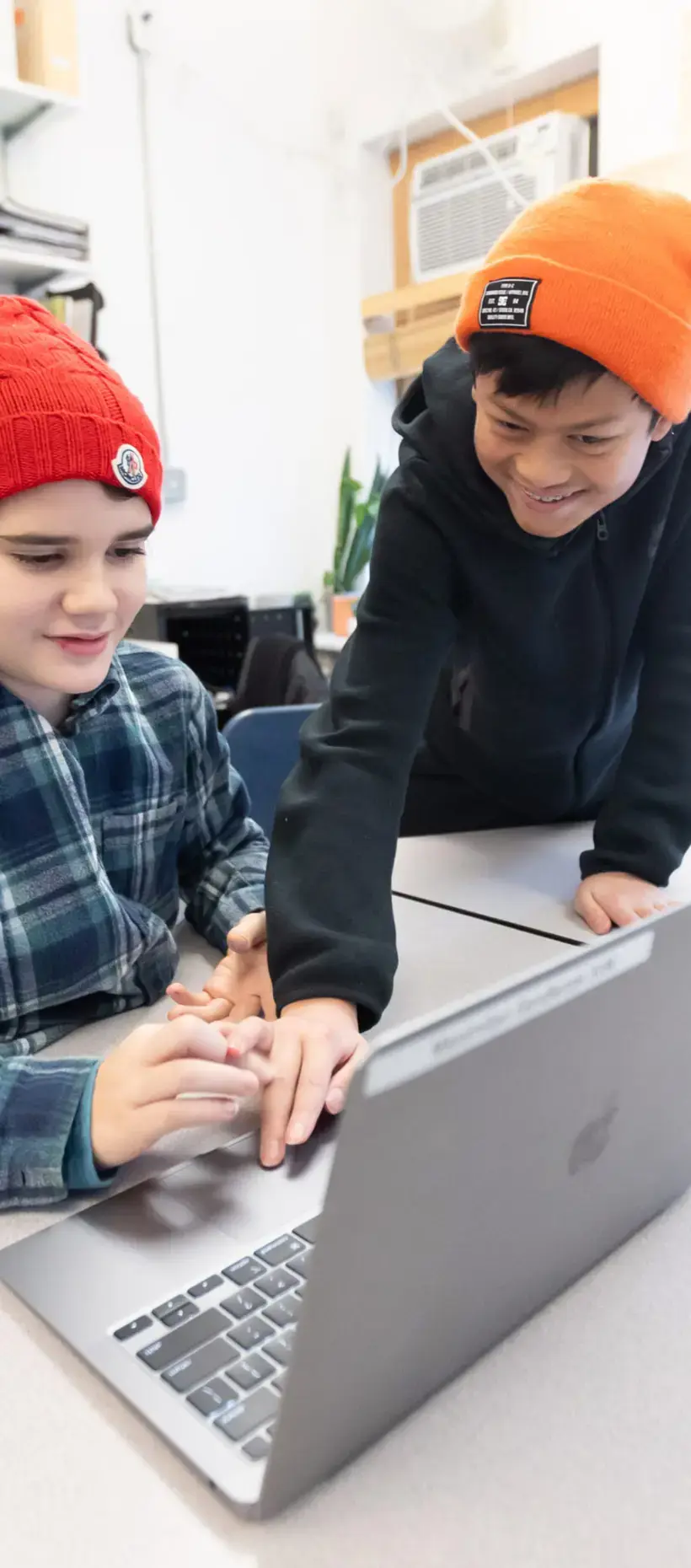
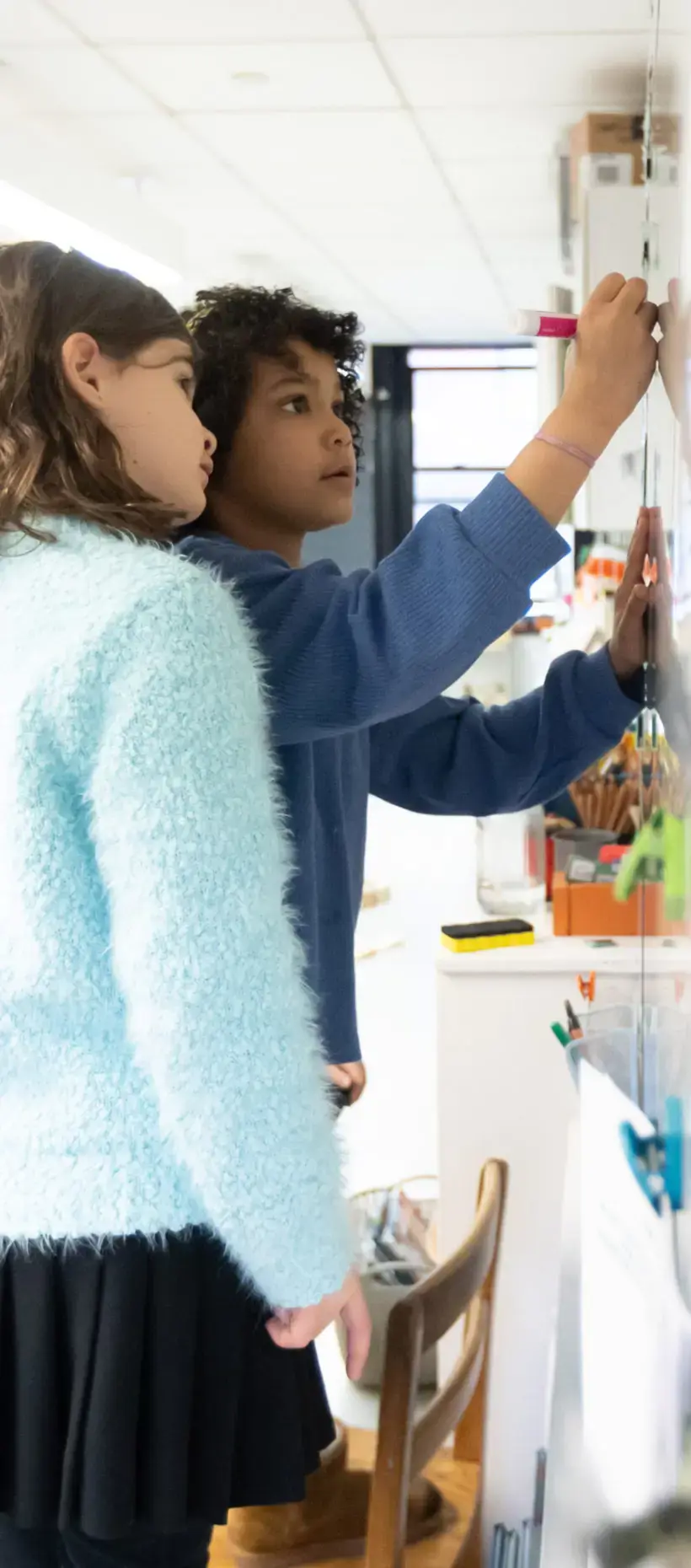
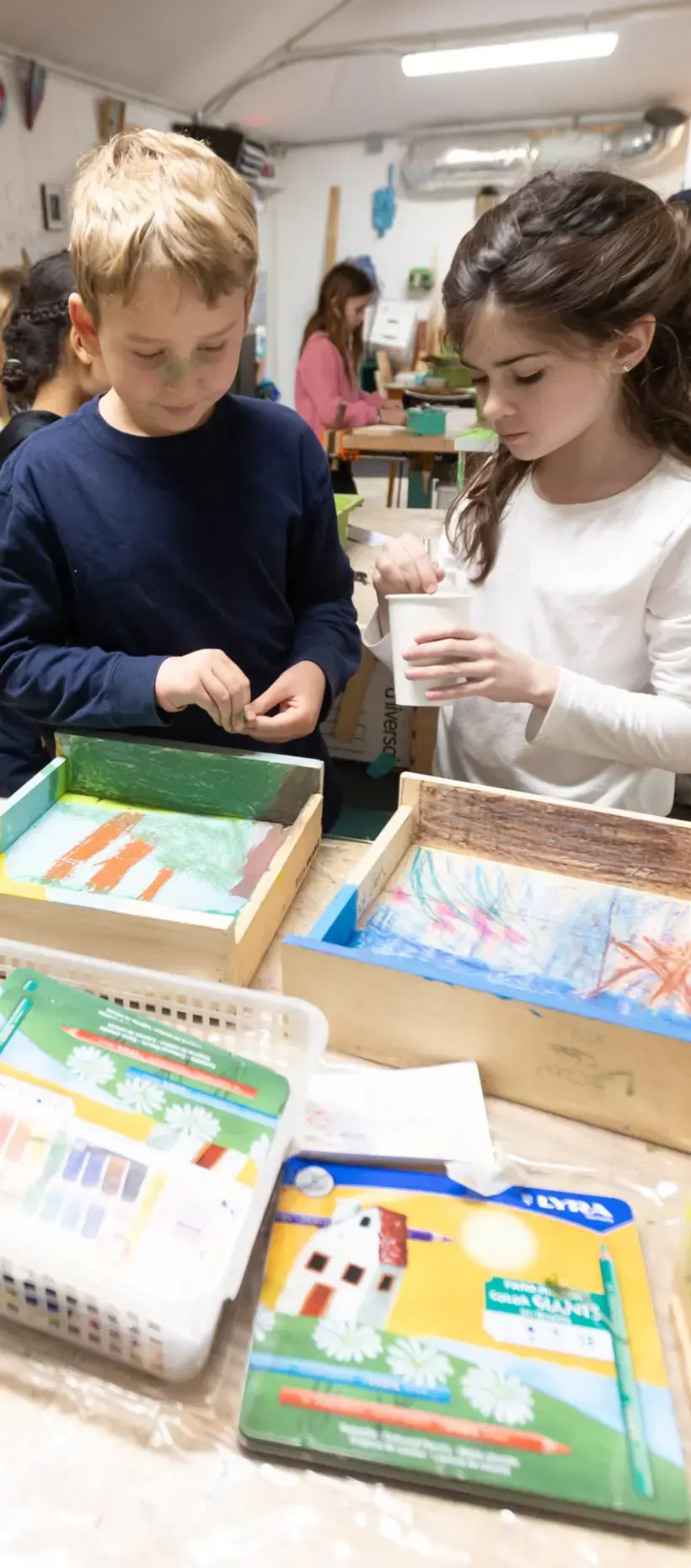
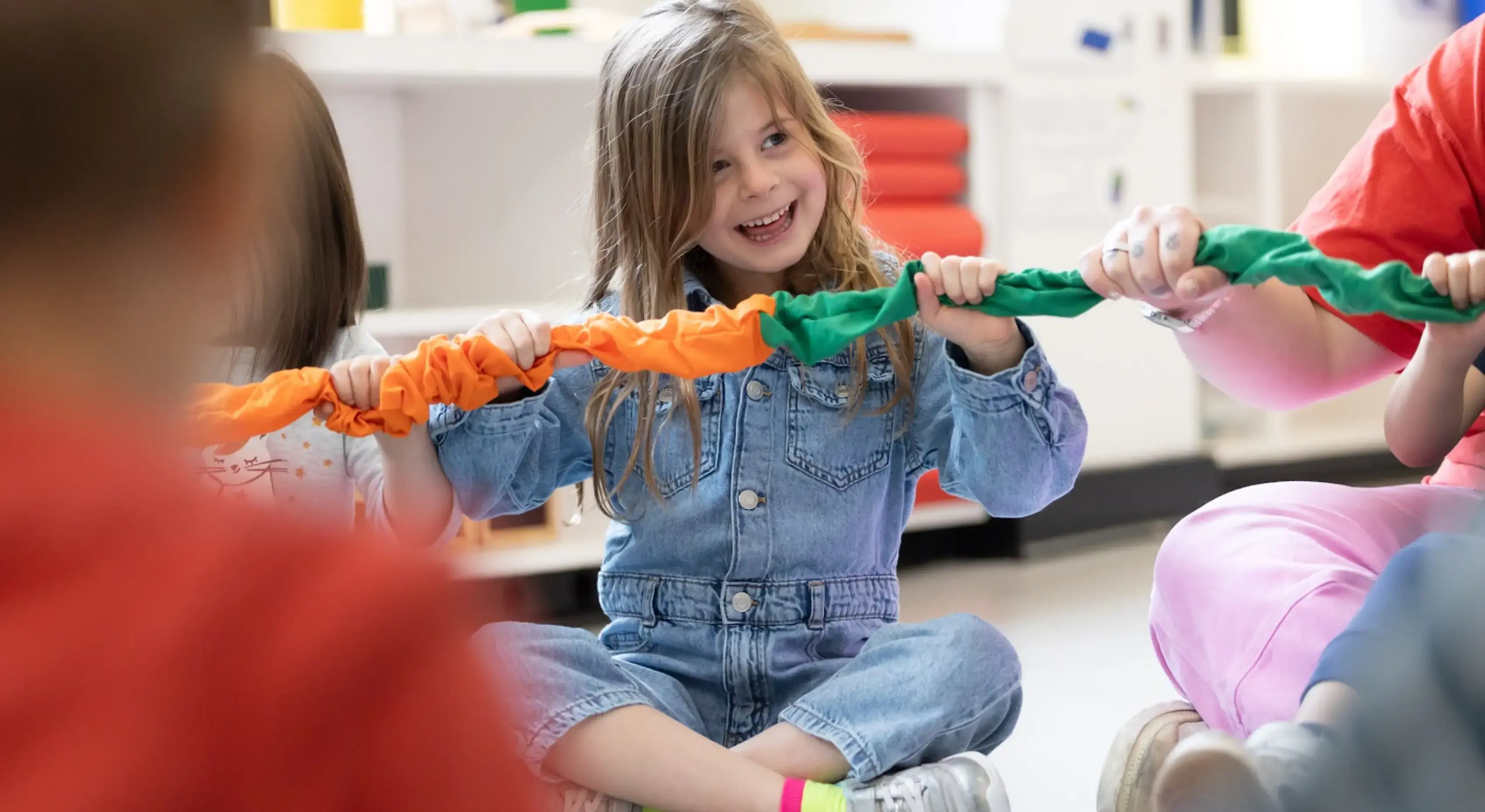
In the early years of the Lower School–ages 2, 3, and 4–City and Country’s approach fosters each child’s natural desire to learn and an emerging sense of self within a group. Learning unfolds through work with basic, open-ended materials, allowing children to creatively express and make sense of what they know about the world.
 The Role of the Teacher
Teachers observe closely and thoughtfully facilitate this process, shaping a program that emerges from students’ interests, their everyday experiences, and concepts of identity and belonging that develop naturally at this age. With an emphasis on social-emotional development alongside foundational language and math skills, the program cultivates independence, cooperation, and joyful discovery, setting the stage for healthy habits of mind and a dynamic appetite for learning.
Social Studies
Children at this stage actively explore their immediate world—their family, classroom, school, and neighborhood—through observation, active engagement, field trips, and research in C&C’s well-appointed library. This builds an early sense of belonging, cultural awareness, and connection to the people and places that shape their daily lives. Children emerge with a growing understanding of the relationships among members of a community and the responsibilities that people have to one another.
Math
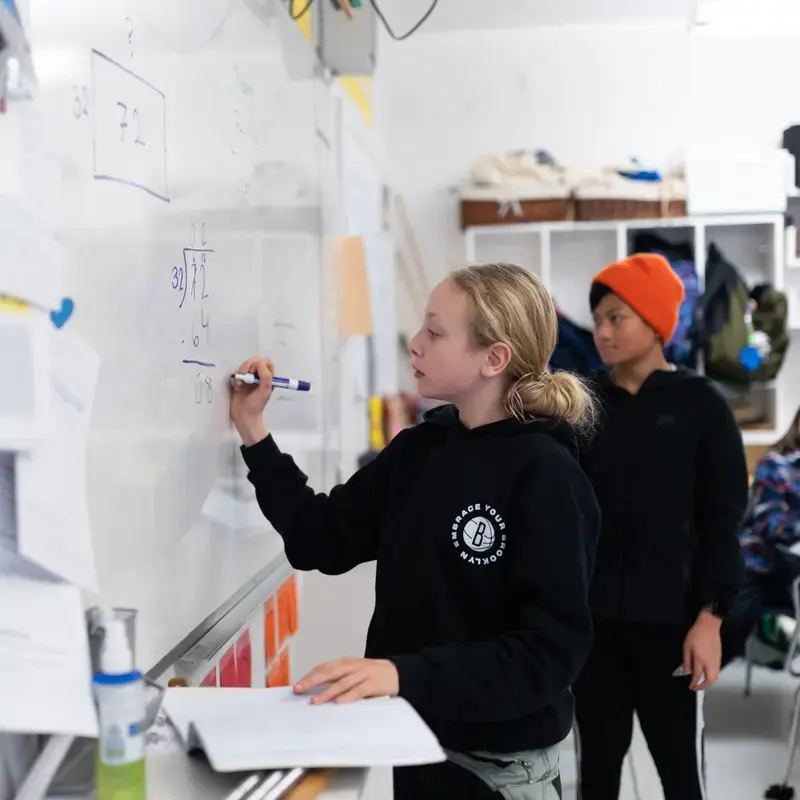
We believe math is best learned through a balance of hands-on, purposeful activities and direct, research-backed instructional methods. Our math approach emphasizes exploration through grappling with real-world math problems and communicating mathematical thinking through robust collaboration. We introduce students to mathematical concepts through play and investigation, and then guide students towards mastery of procedural fluency and deep conceptual understanding through continued explicit practice. The goal is for children to become nimble math thinkers with a strong conceptual understanding, able to apply math skills in their daily lives. Learn more about early childhood math.
Literacy
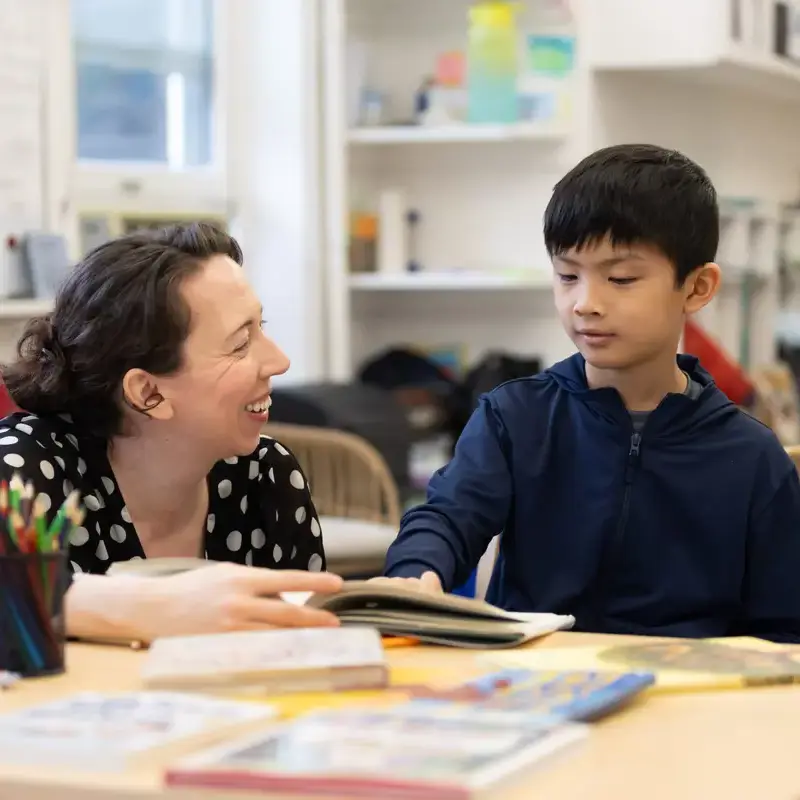
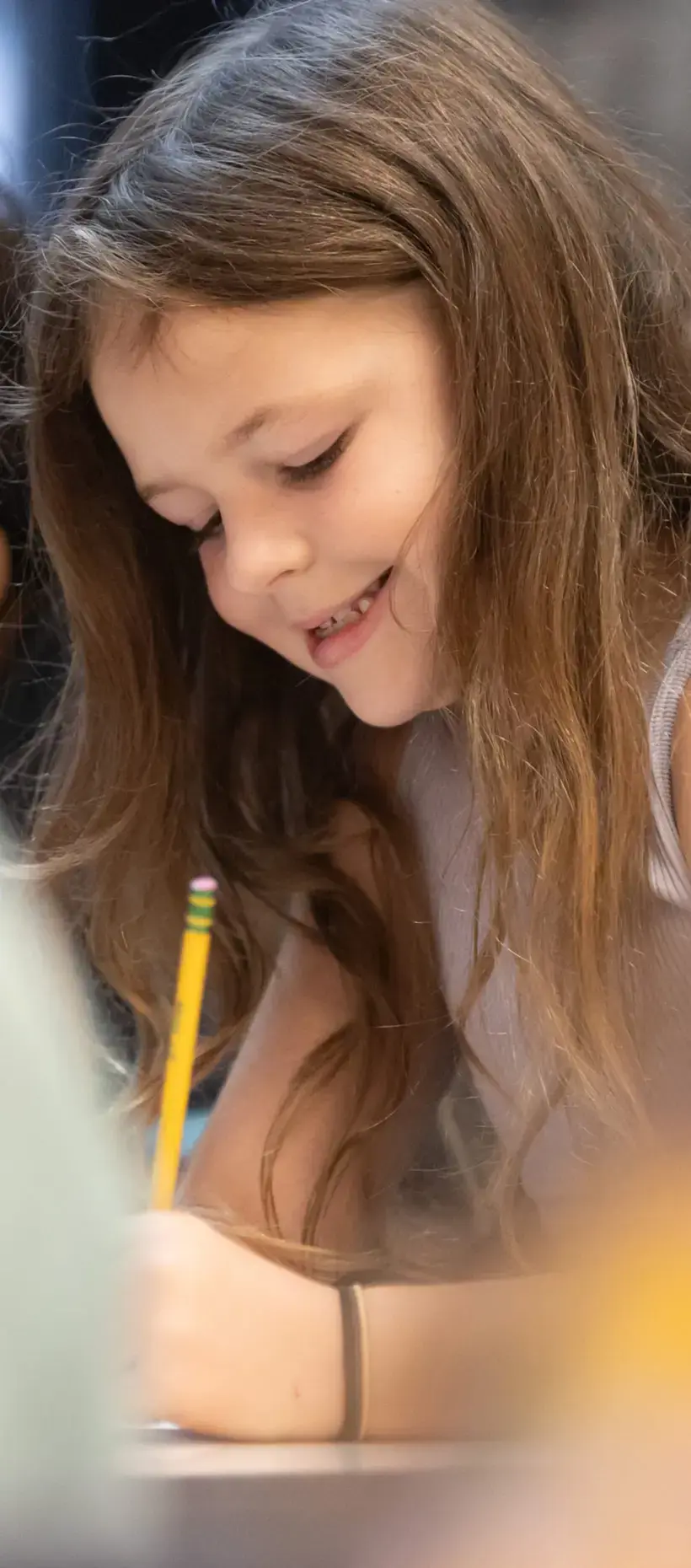
We understand that children develop literacy skills at different times and in different ways. Our teachers expect a wide range of reading and writing abilities and are prepared to meet children wherever they are in their development. Our responsive, research-proven approach combines engaging and diverse language activities with direct reading instruction differentiated to meet the needs of a variety of readers. We provide just the right amount of challenge to push each child forward, using a structured and systematic program rooted in phonics and comprehension skills. Our goal is to build strong decoding and comprehension skills, confidence, and a deep appreciation for and love of reading and writing. Learn more about early childhood reading and literacy.
Social-Emotional Learning
C&C educators pay close attention to the social and emotional well-being of every C&C student. Daily routines and open-ended play require children to express emotions and resolve conflicts, building a crucial foundation of confidence, independence, and resourcefulness. Teachers facilitate communication and collaboration, helping children navigate healthy group dynamics. Events like our "Coffee and Conversation" series provide parents time and space with our specialists to discuss specific milestones and aspects of child development.
A Day in the Life:
Starting the day.
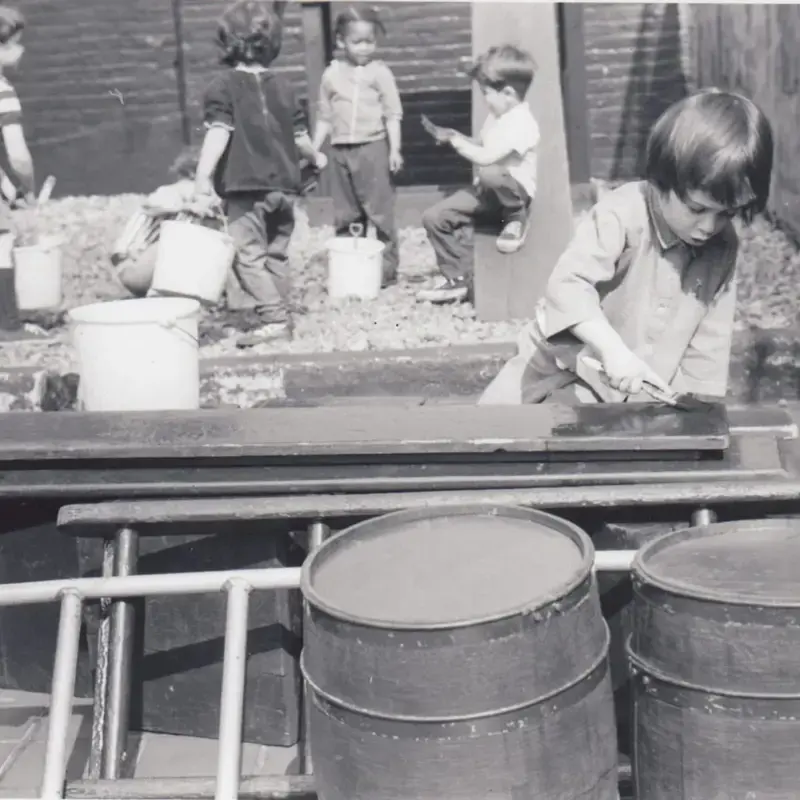
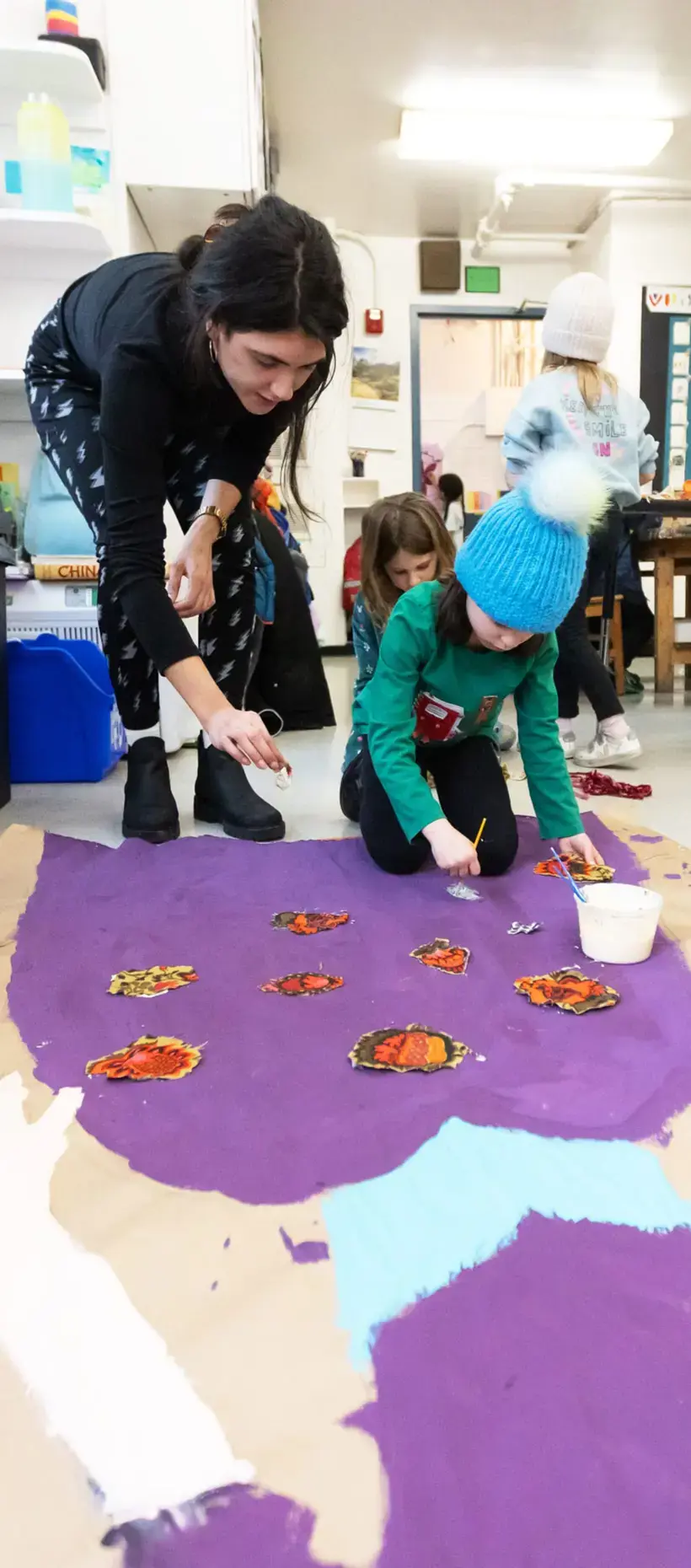
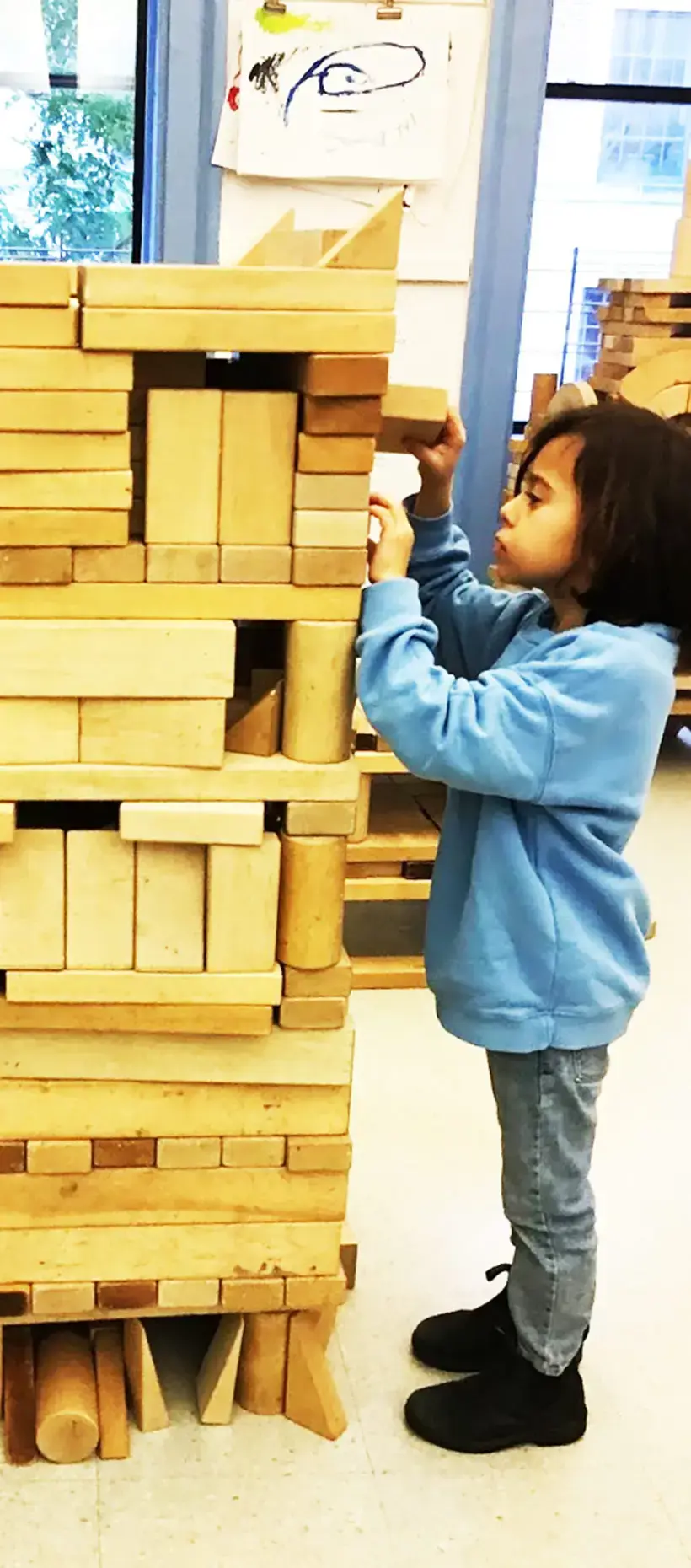
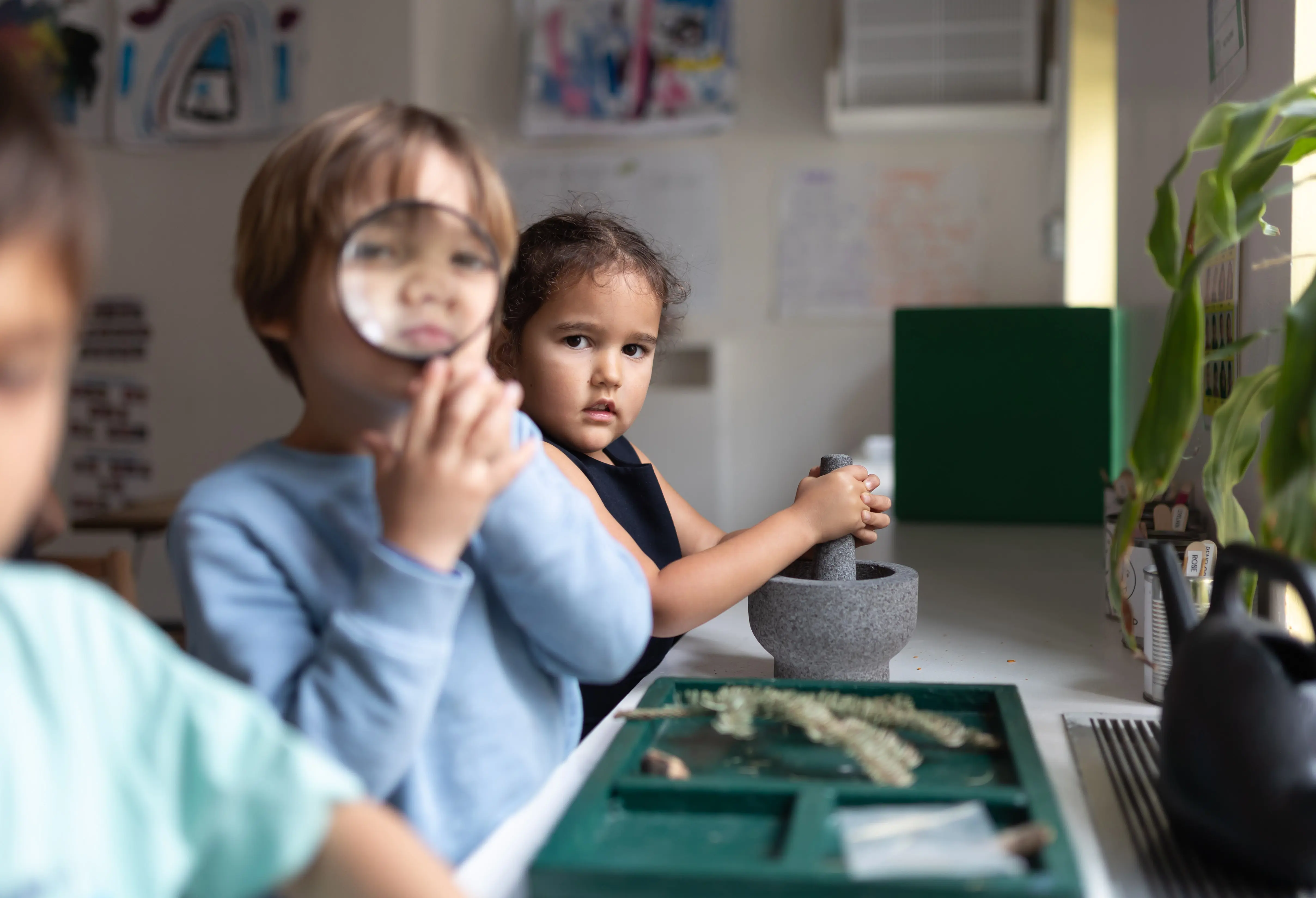
Students begin their day with open-ended materials like blocks, paint, clay, and water. These activities naturally engage the brain, spark creativity, build resilience, strengthen language and social skills, and extend attention spans.
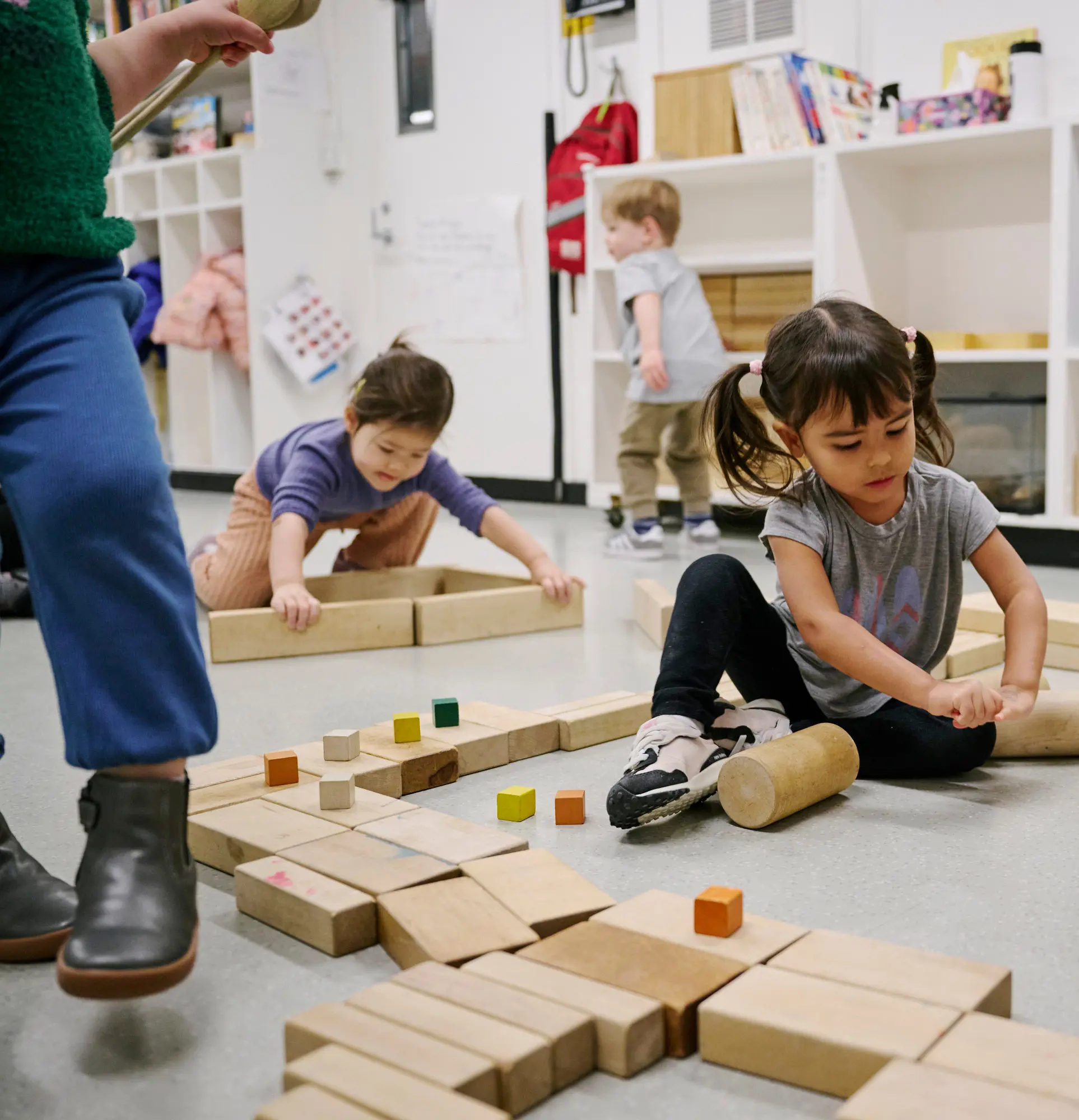
Children move fluidly, teachers observe carefully.
Music.
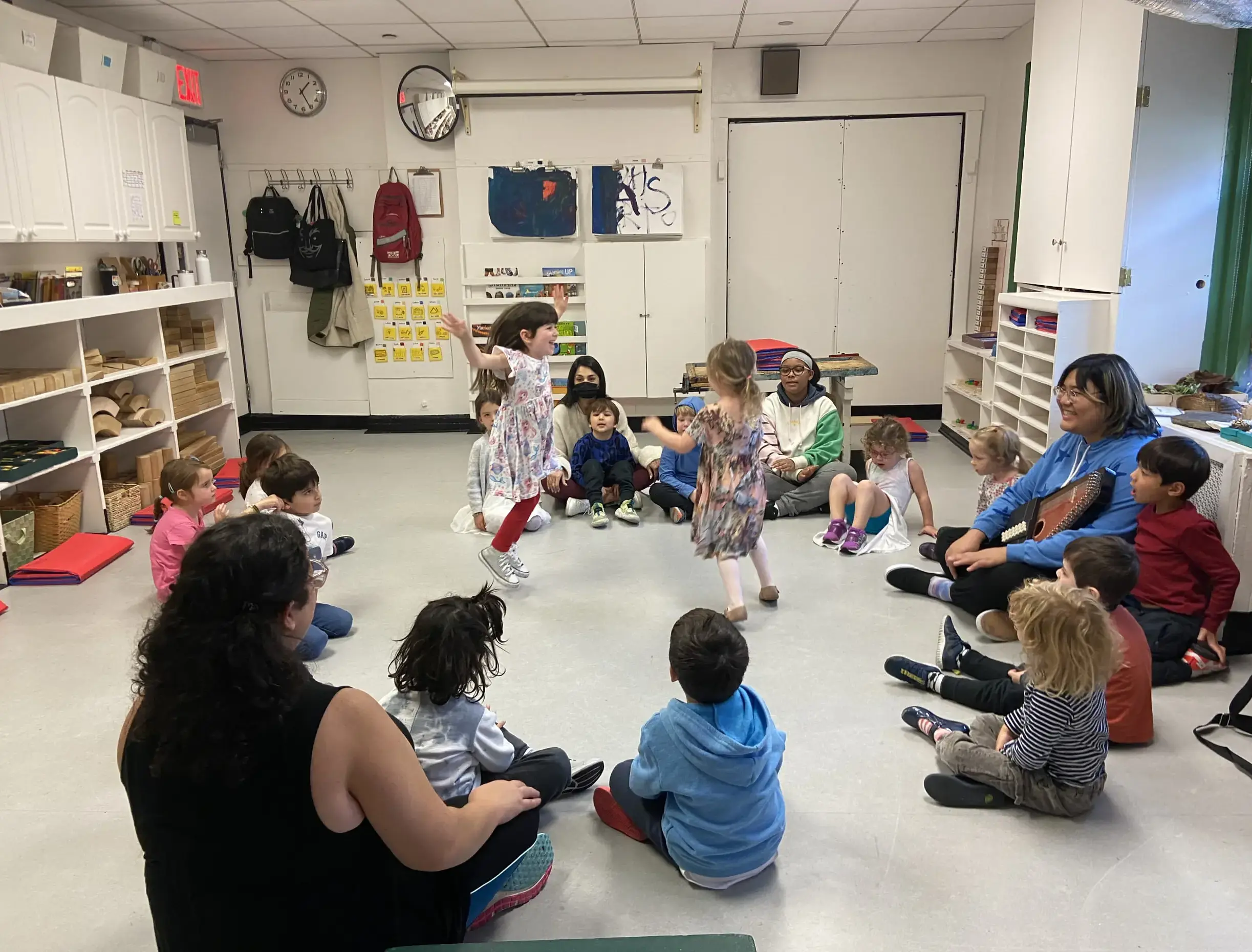
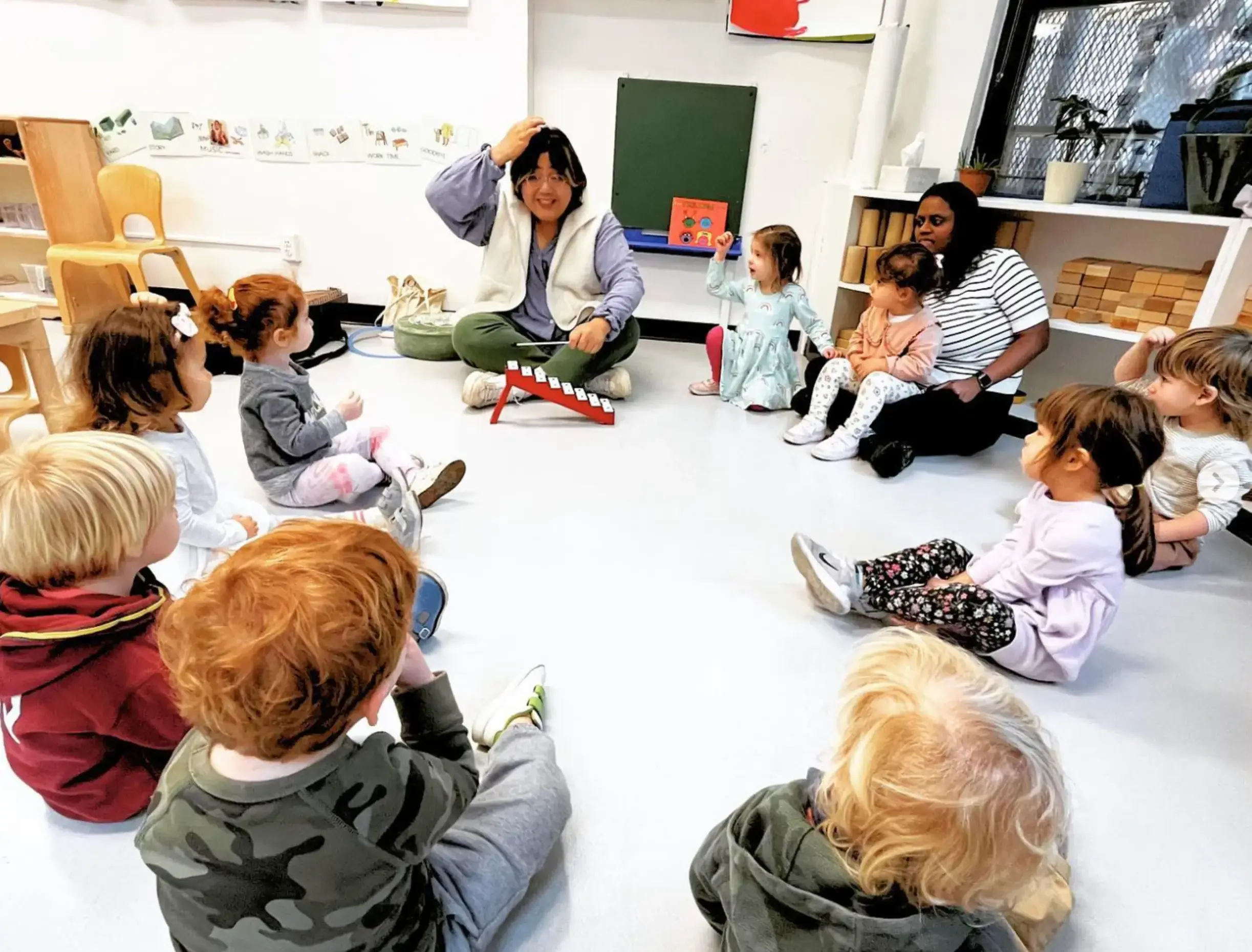
Music provides structure and focus for young learners, cultivating rhythm, harmony, and collaboration through shared experience. Students explore songs from around the world with complex rhythms, rhyming lyrics, and coordinated movement, while strengthening cognitive skills and enjoying a range of engaging instruments under James’s guidance.

10:00
10:00
10:30
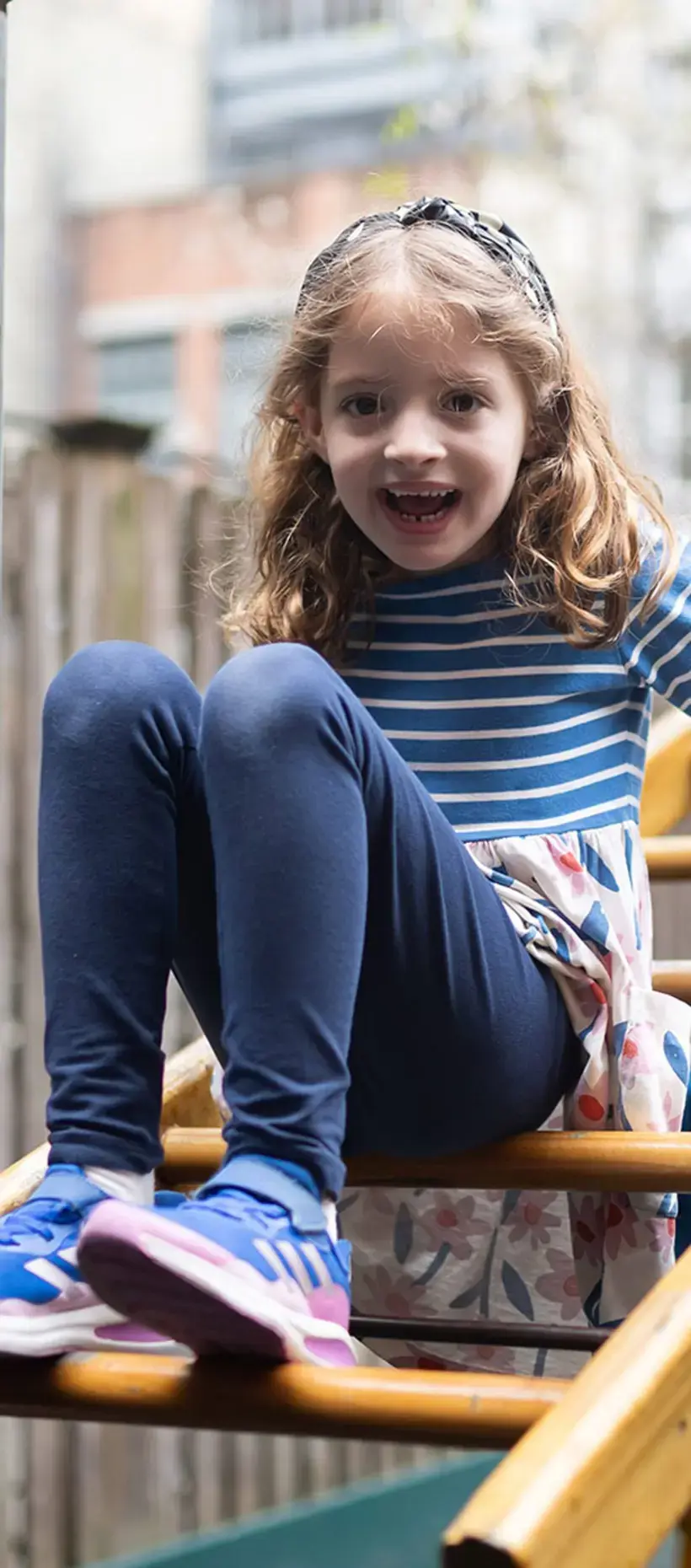
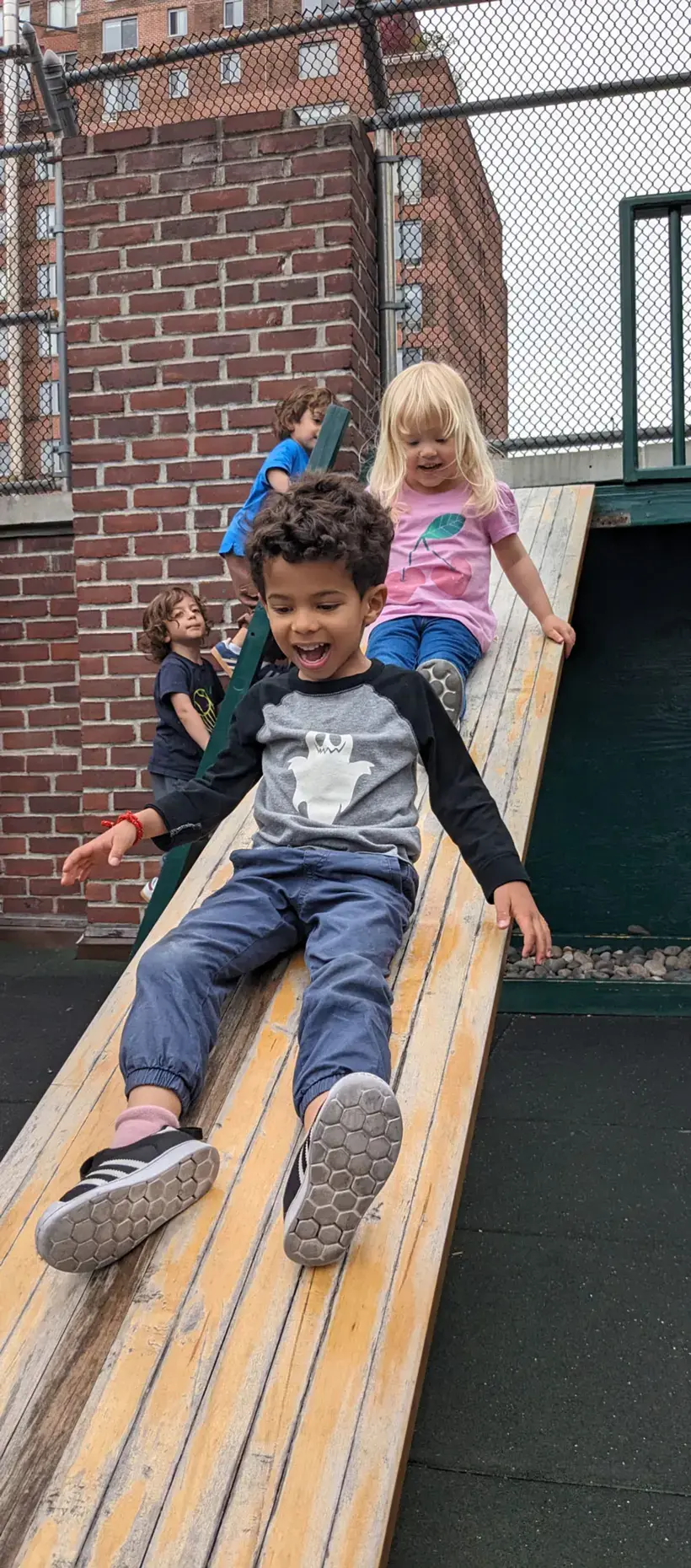
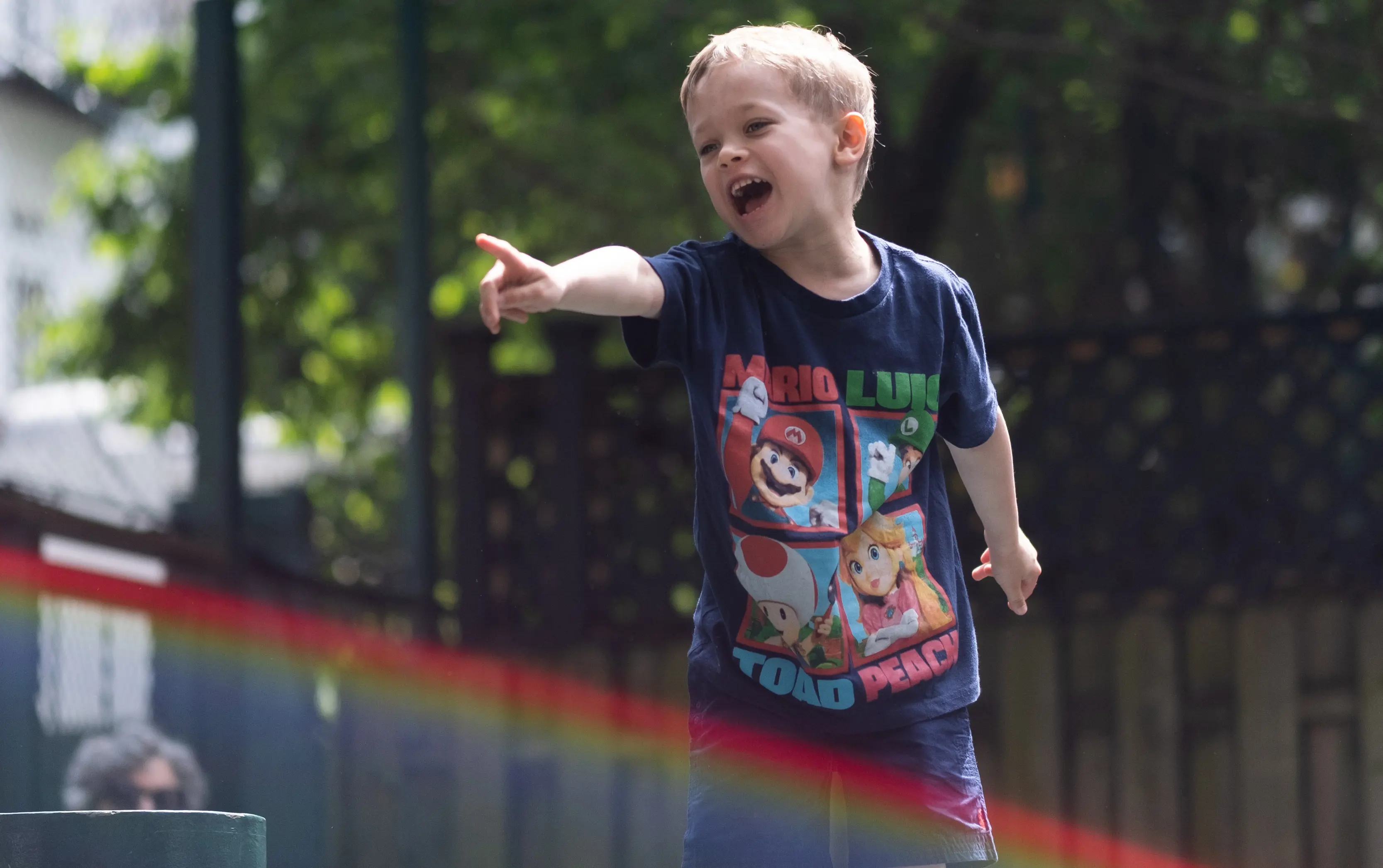
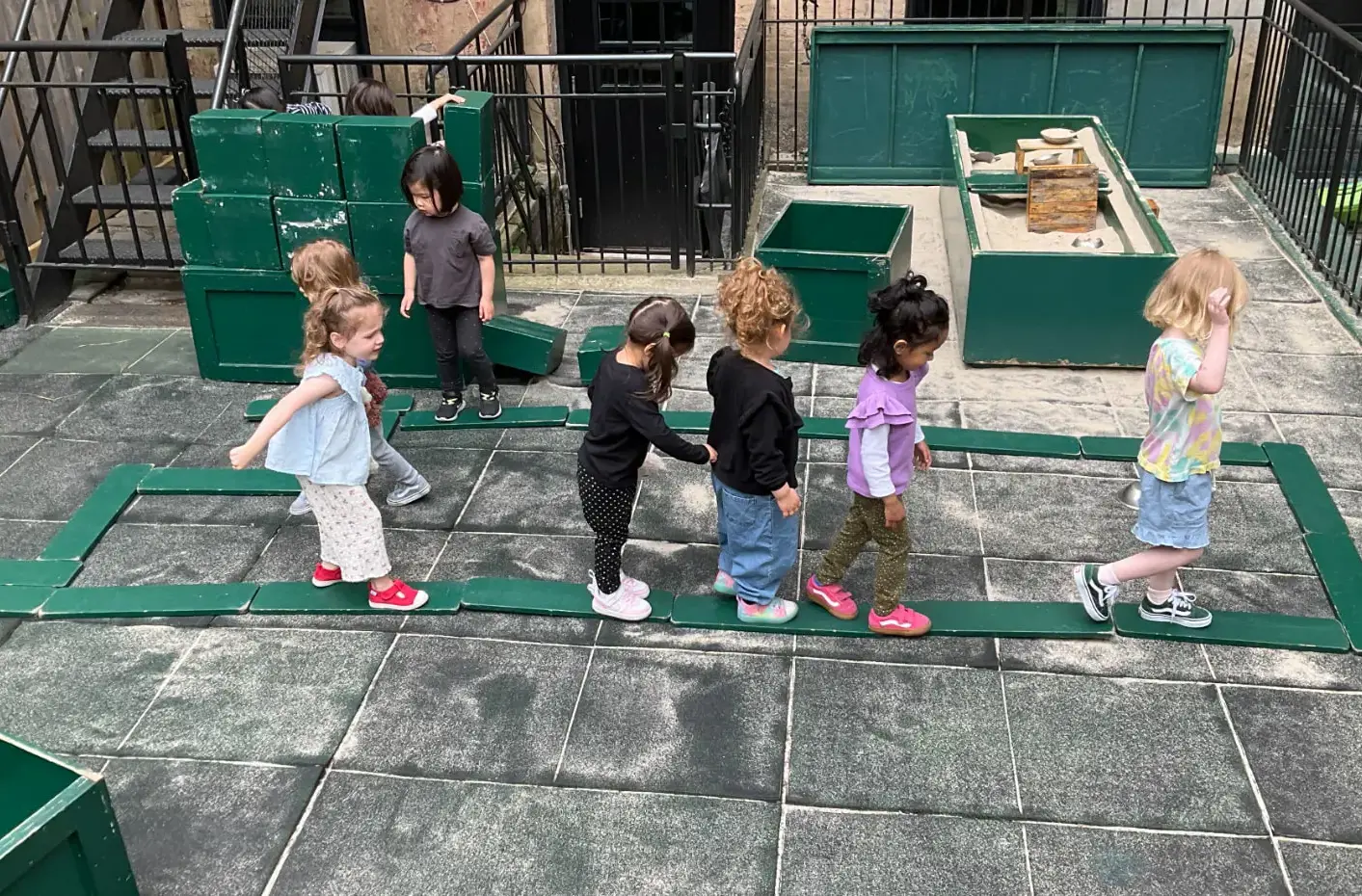
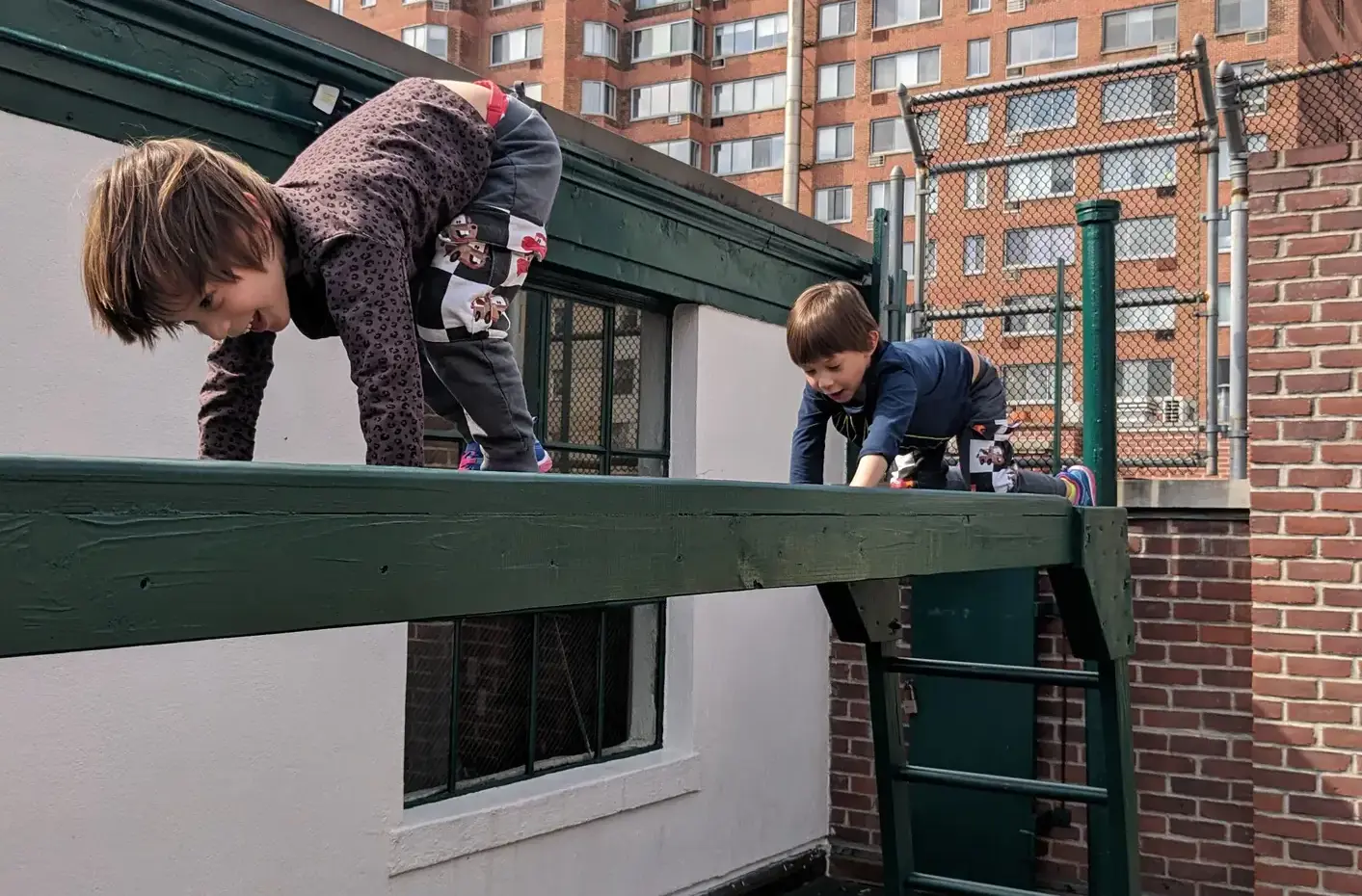
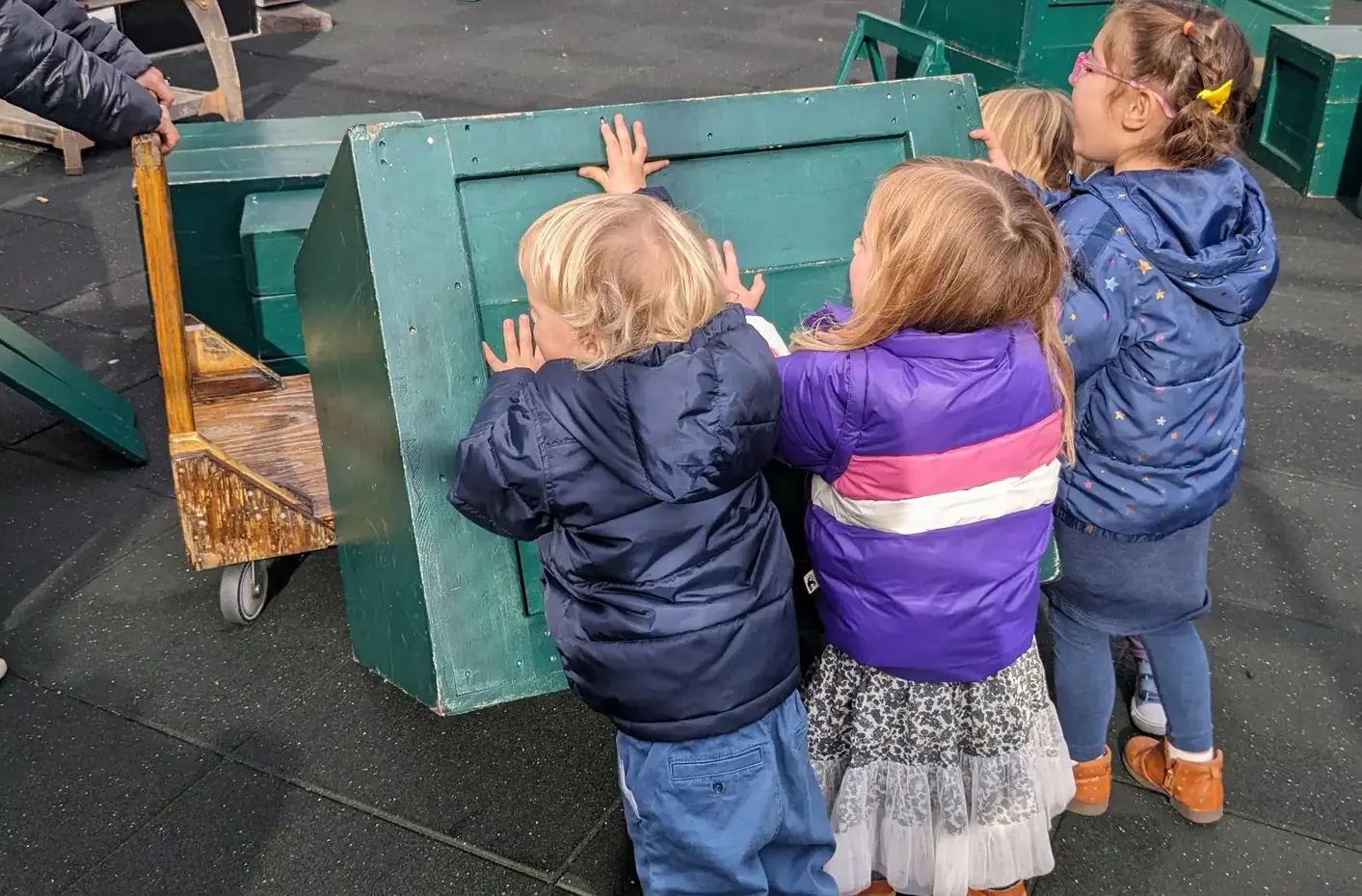
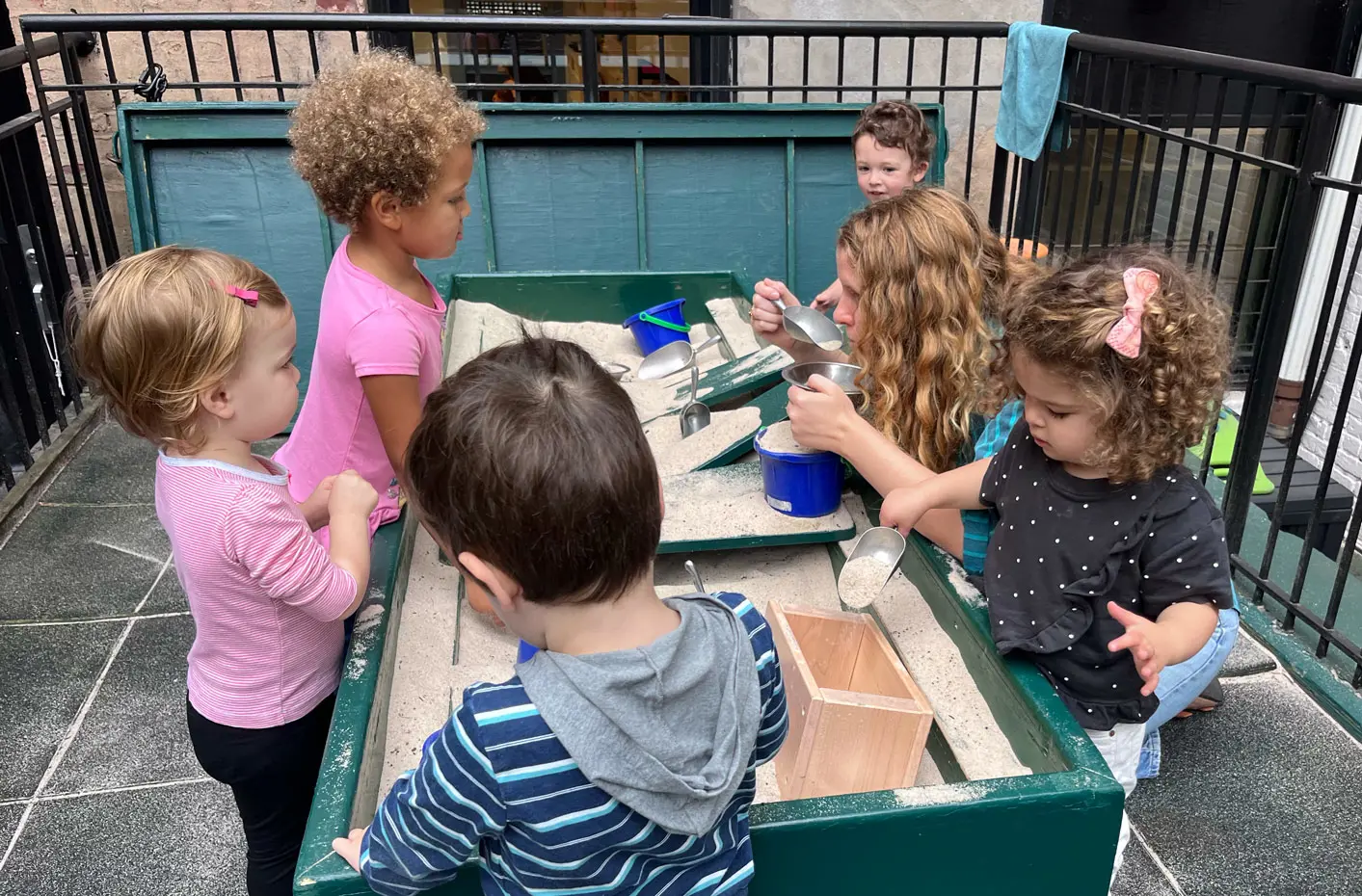
Children go outside every day—rain or shine—to play, build, and explore. Outdoor time extends classroom learning while encouraging creativity, collaboration, and physical development.
10:30
Children go outside every day—rain or shine—to play, build, and explore. Outdoor time extends classroom learning while encouraging creativity, collaboration, and physical development.
10:30
Children go outside every day—rain or shine—to play, build, and explore. Outdoor time extends classroom learning while encouraging creativity, collaboration, and physical development.
10:30
Children go outside every day—rain or shine—to play, build, and explore. Outdoor time extends classroom learning while encouraging creativity, collaboration, and physical development.
10:30
Children go outside every day—rain or shine—to play, build, and explore. Outdoor time extends classroom learning while encouraging creativity, collaboration, and physical development.
Reading.
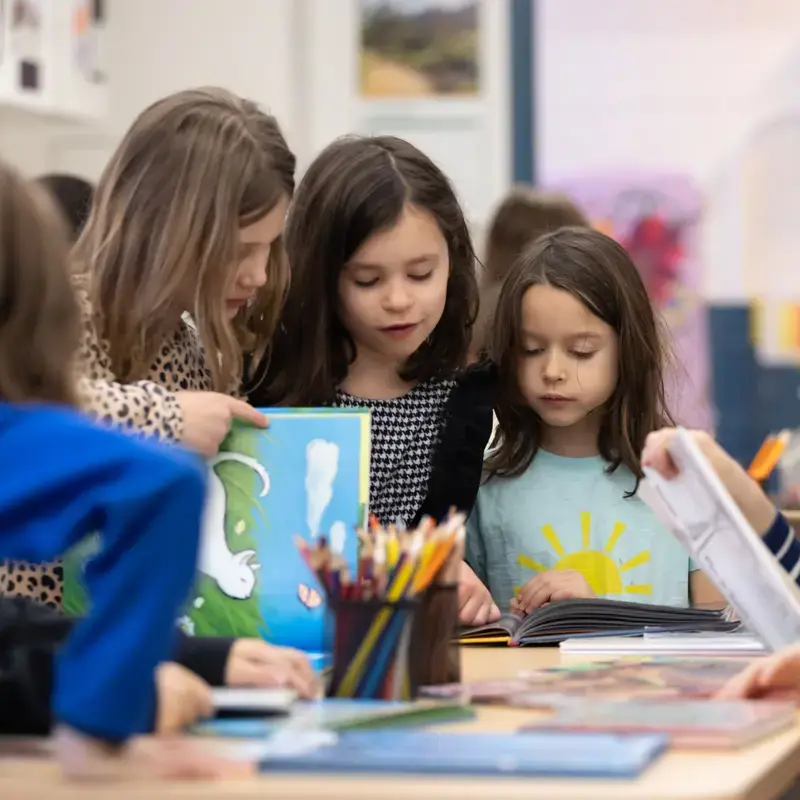
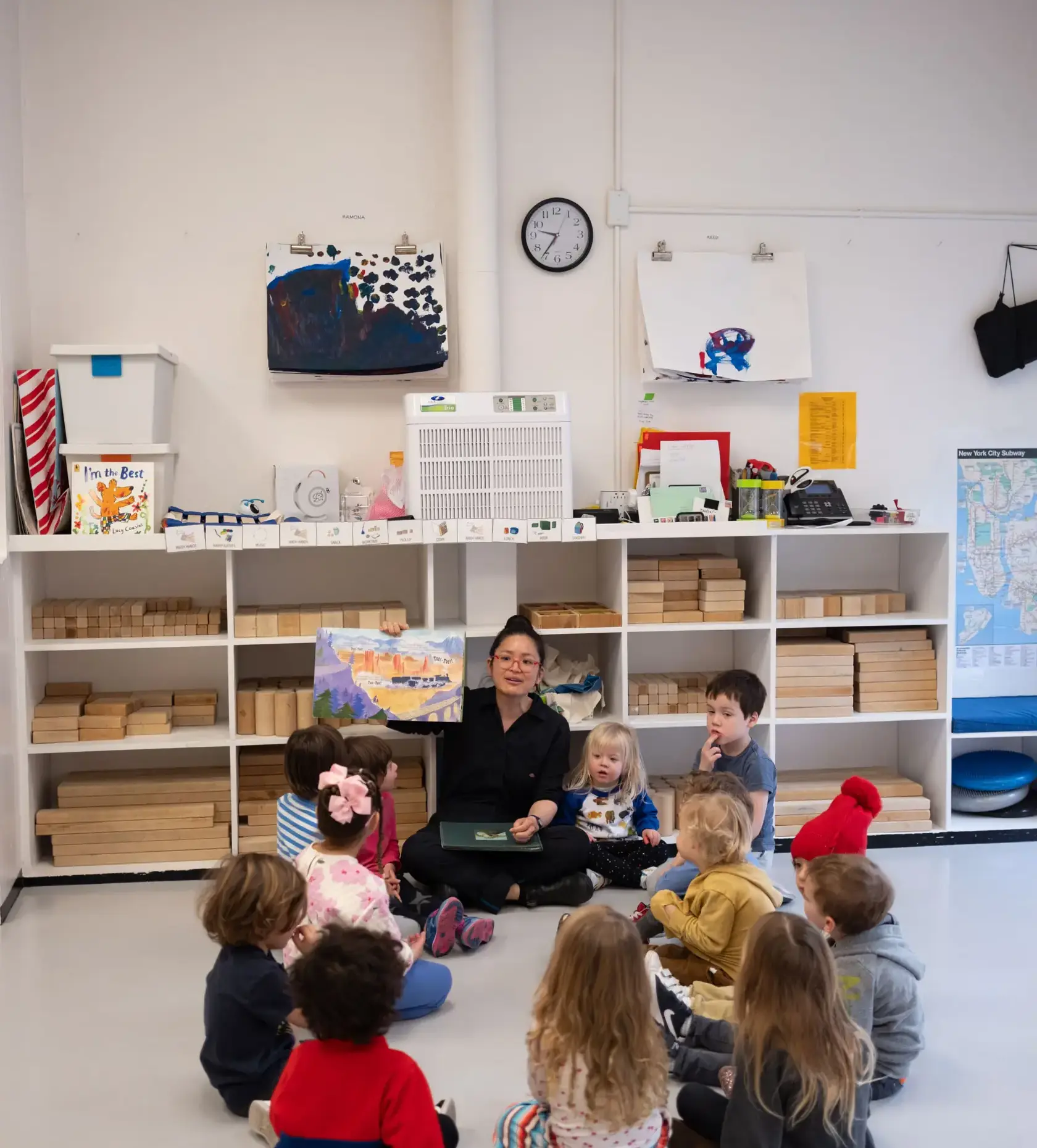
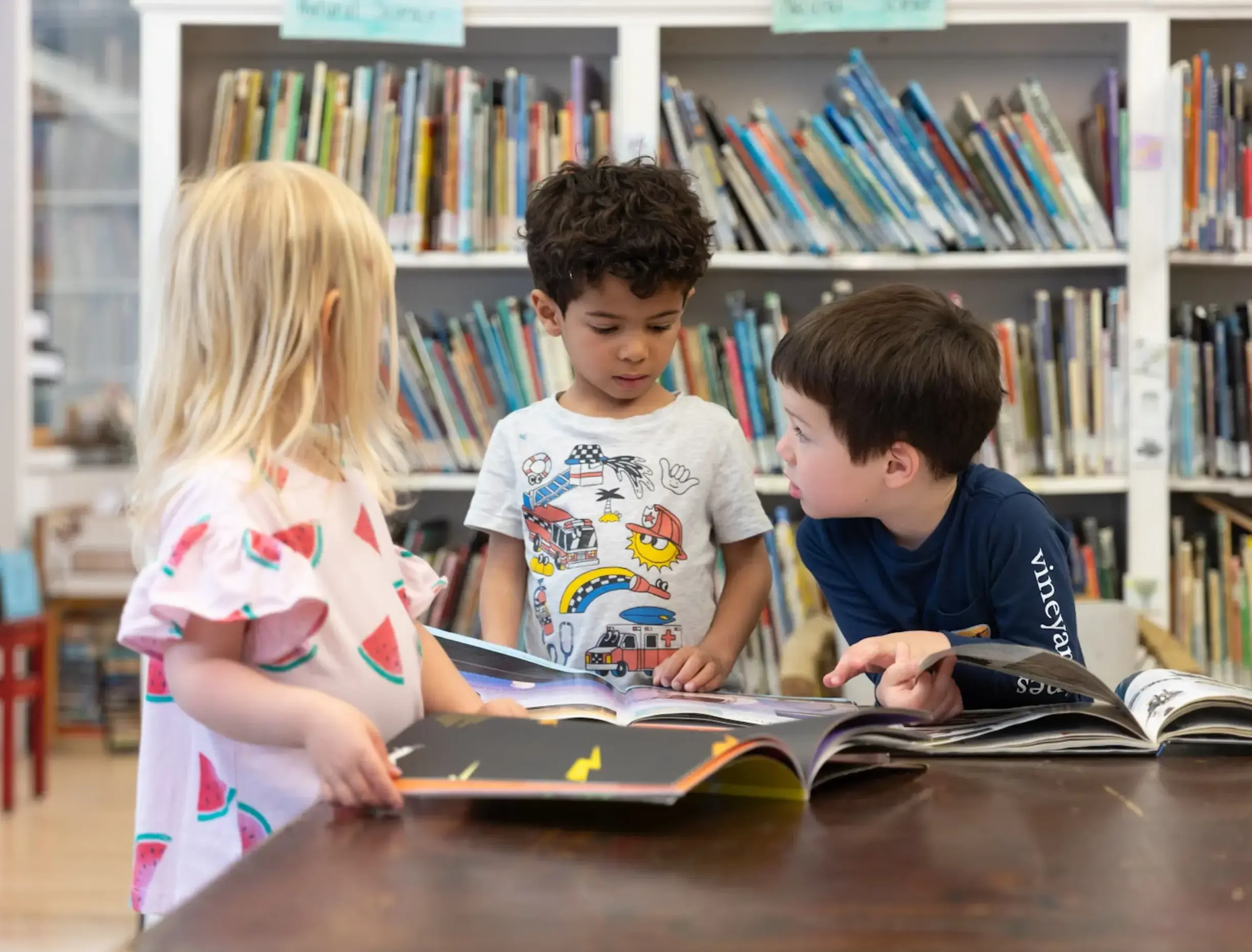
Carefully chosen books introduce new ideas, deepen understanding, and spark meaningful discussion. Read-alouds help students develop active listening, comprehension, and self-regulation skills while connecting them to the world around them.
Rhythms.
|
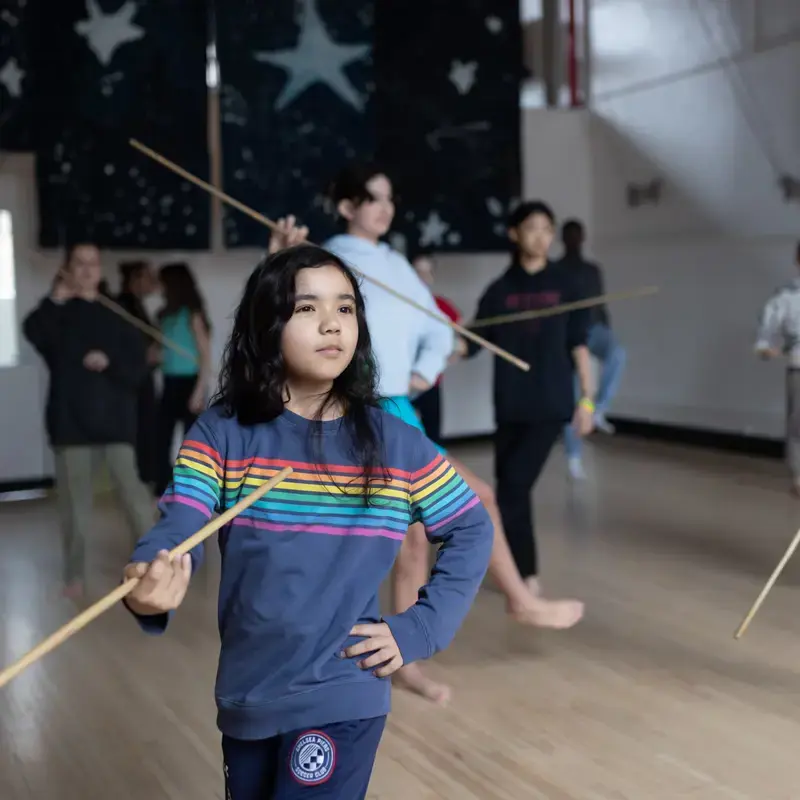
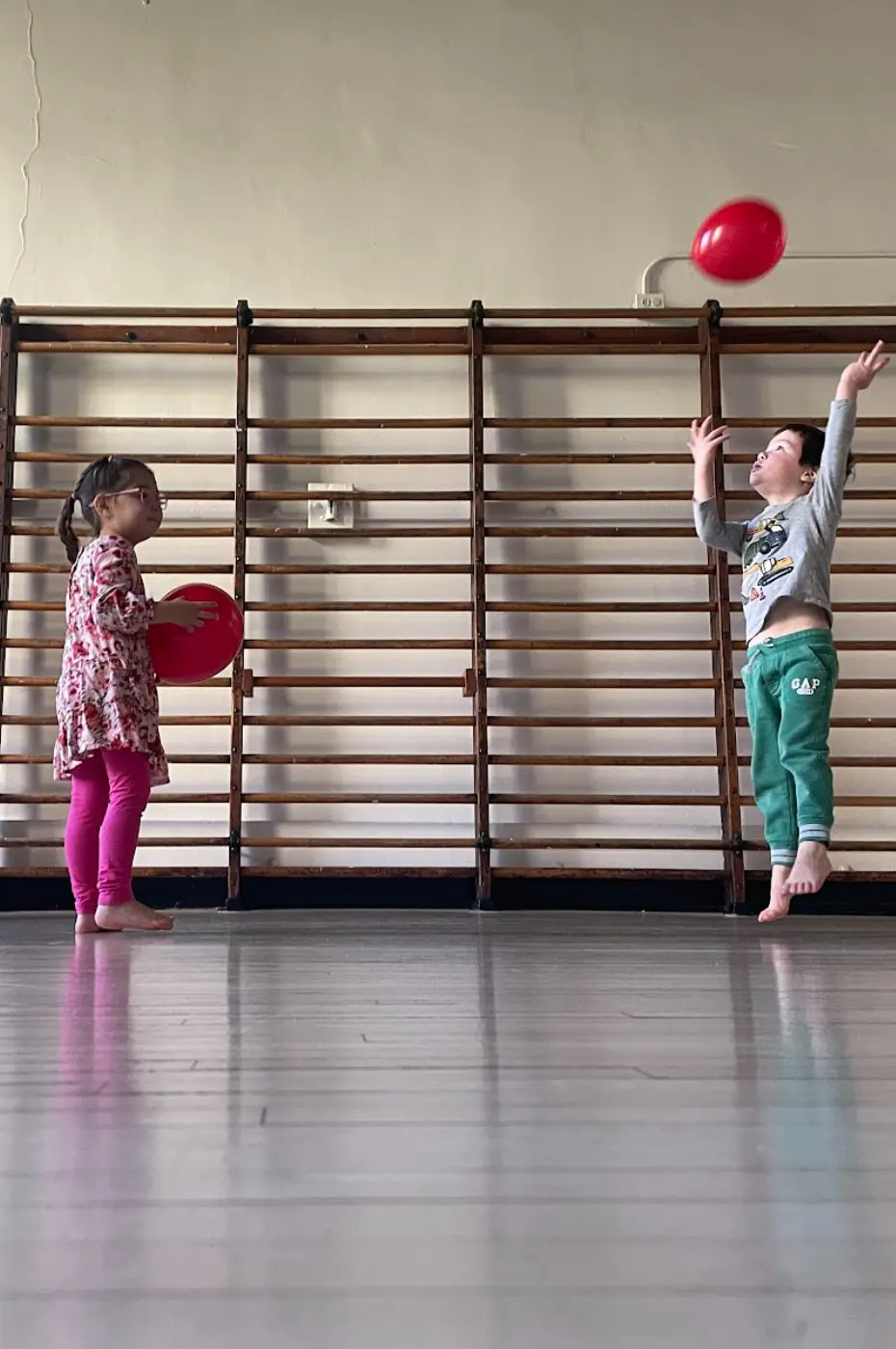
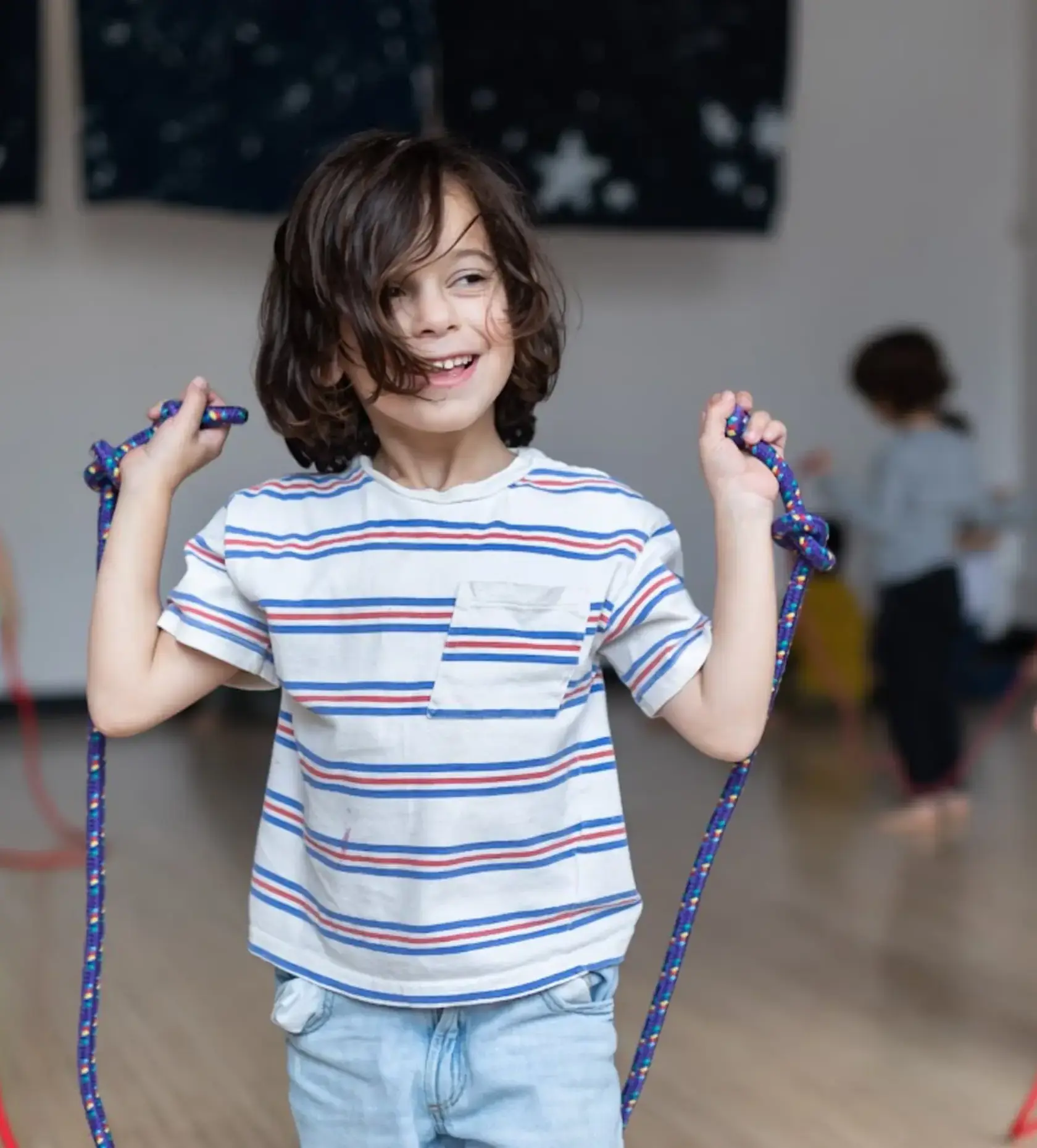
C&C's unique Rhythms Program supports motor control, coordination, and attention by engaging the cerebellum and activating the brain’s reward system. Through movement and rhythm, students develop focus, motivation, and a sense of joy in learning. |
|
Afternoon exploration.
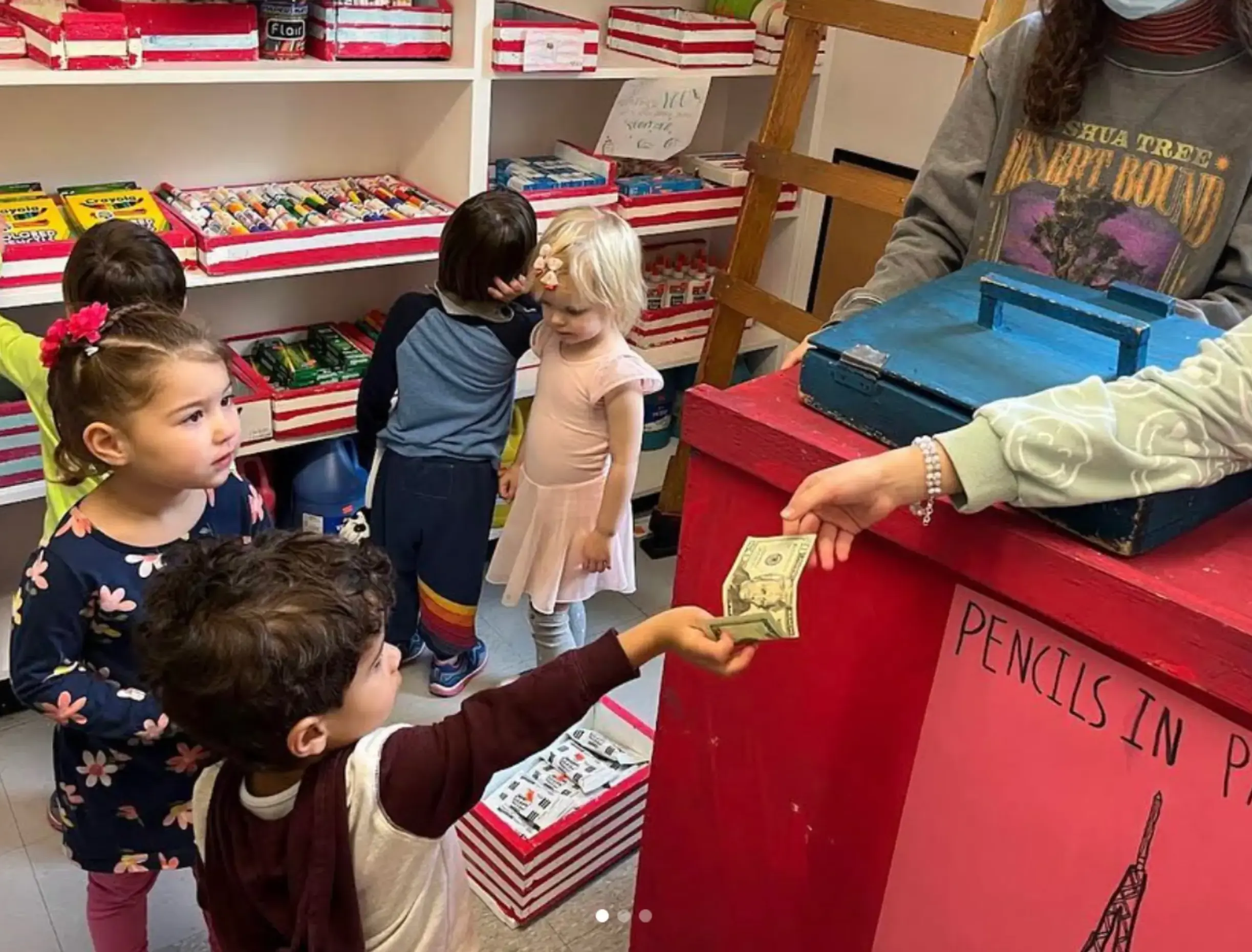
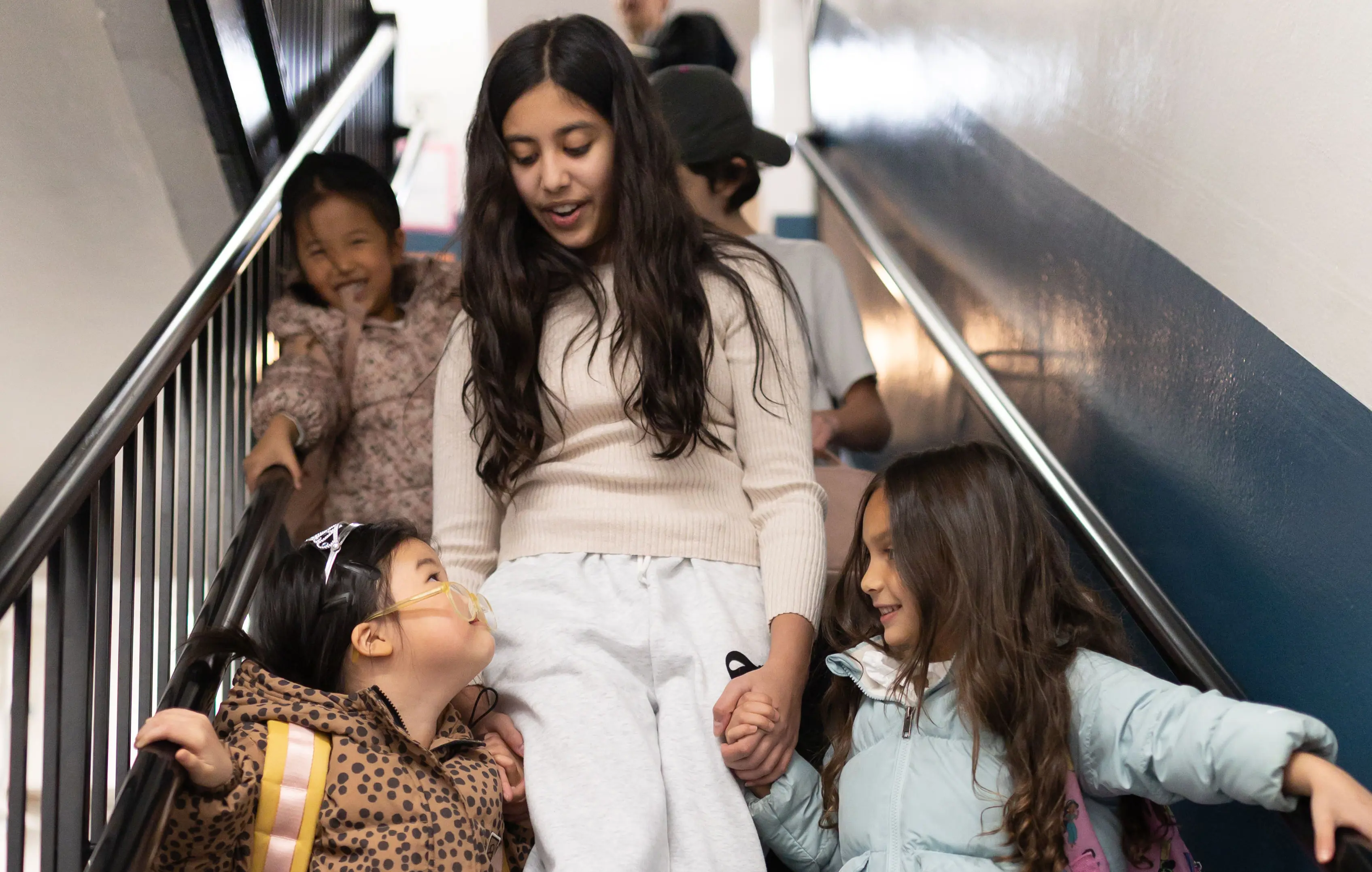
Late afternoons provide opportunities to explore the campus further. Whether visiting the library or school store, children discover new spaces, practice independence, and strengthen connections within the broader school community.
1:00
1:00
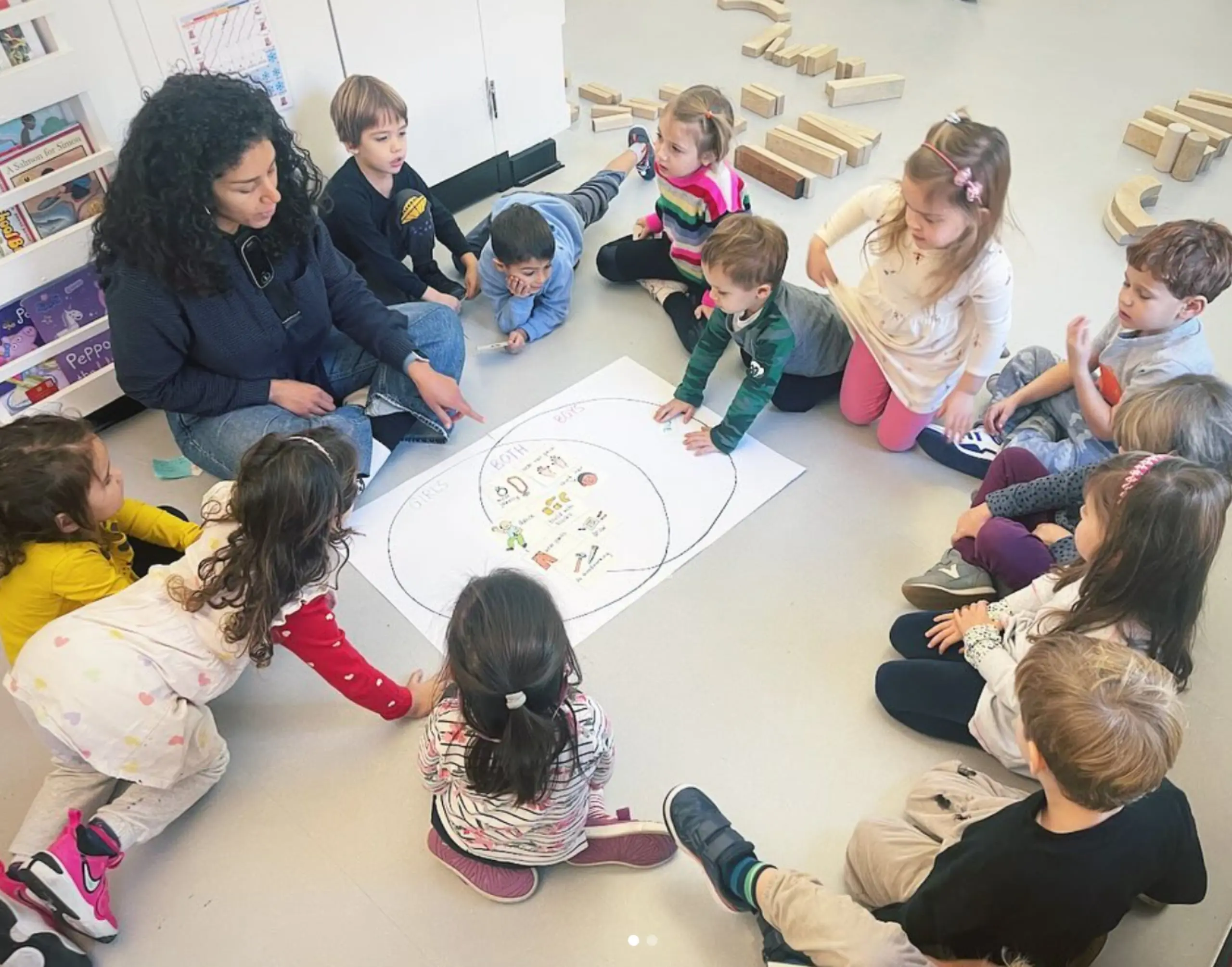
Community meeting.
|
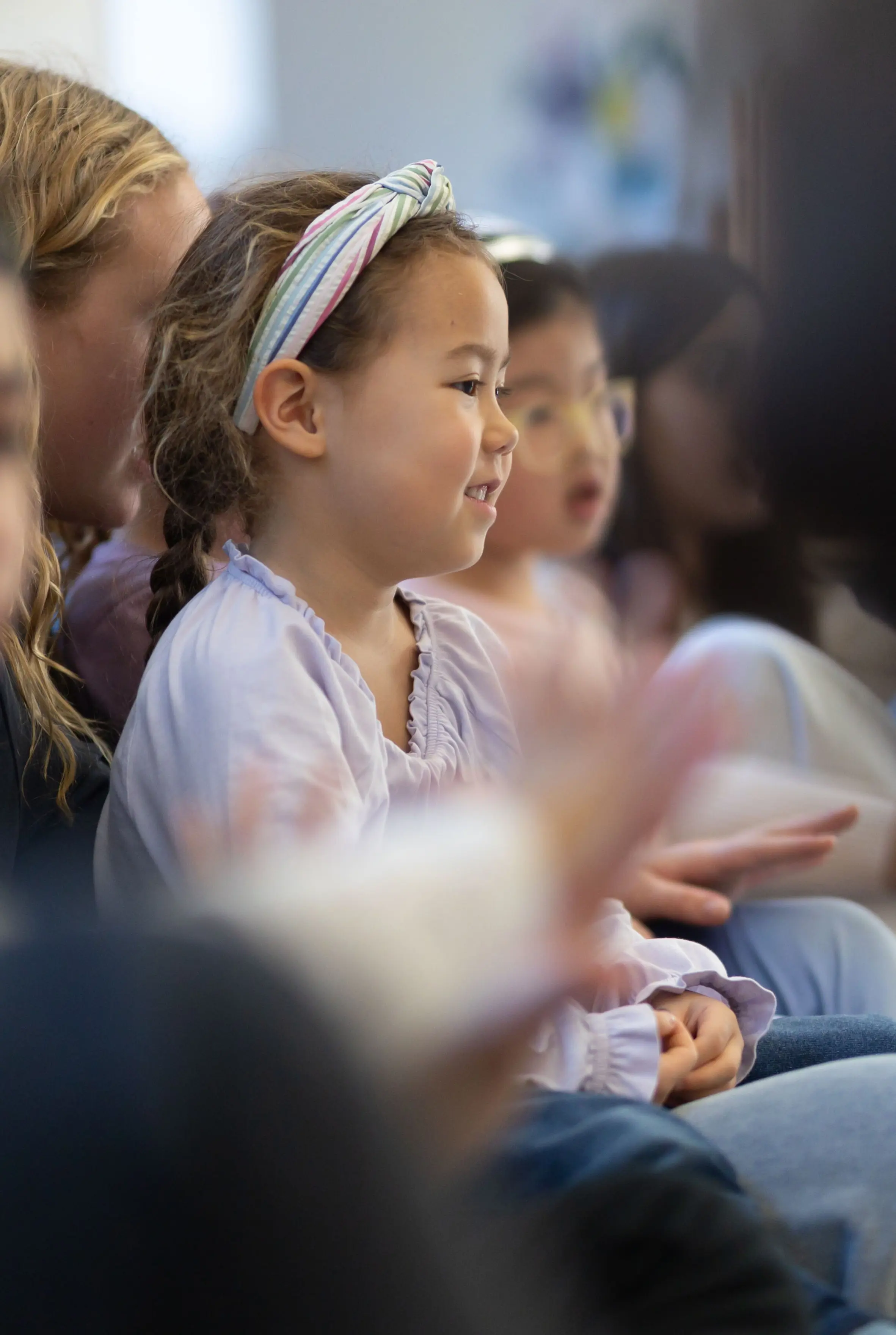
Community Meeting gives students a space to share their perspectives and engage in meaningful discussion. Conversations may focus on emotions, family, classroom routines, or other topics relevant to the group, fostering empathy, understanding, and a sense of belonging. |
|
Explore further